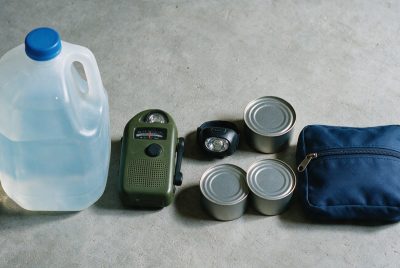
Key Survival Products
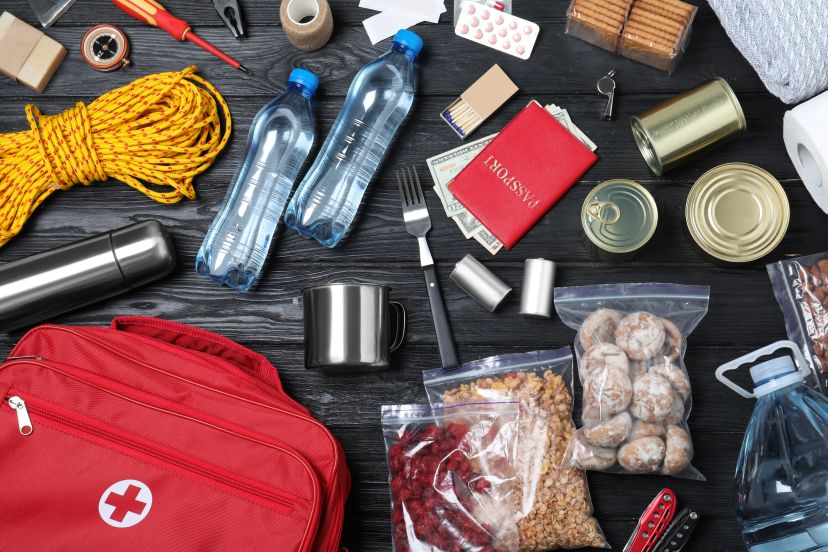
Key Survival Products: Emergency Preparedness Essentials That Actually Matter
Quick Answer: A prepared household covers five needs: water storage plus a filter, shelf-stable food, backup power and light, first aid, and communication. Start with the category you are weakest in: most families are short on water and backup power. Every product on this page is chosen for reliability in real outage conditions, not shelf appeal.
J.T. Wilder | Survival strategist, Survival Tactix | Last updated: July 11, 2026
When people start preparing for emergencies, one of the biggest problems is not lack of motivation. It is lack of structure. They buy random gear, chase hype, or focus on dramatic items before handling the basics that make the biggest real-world difference. The better approach is simpler: build a small set of key survival products that solve your most urgent needs first, then expand from there.
This guide is your hub for the core SurvivalTactix preparedness cluster. It will help you understand which product categories matter most, what order to build them in, and where to go next depending on your needs. If you want the practical foundation first, start with Being Prepared for Emergencies and the 72-Hour Emergency Checklist.
Fast track: If you do not know where to start, build in this order: water, communication, light, food, and backup power. That sequence gives you the biggest practical gain for the least confusion.
Disclosure: As an Amazon Associate, SurvivalTactix earns from qualifying purchases. Some links may also be affiliate links (EcoFlow, Jackery, Survival Frog). This supports the site at no extra cost to you.
Jump to: Start here • What matters most • Best build order • Water • Communication • Food • Freeze-dried backup food • Backup power • Checklist and gear hub • Mistakes to avoid • Resources • FAQ
Start here: the right products solve the right problems
Preparedness works best when you stop thinking in terms of random products and start thinking in terms of problems to solve. In a real emergency, the biggest early problems are usually lack of safe water, lack of information, lack of light, lack of food depth, and lack of backup power. If you solve those categories in the right order, your household becomes much harder to rattle.
That is why SurvivalTactix treats preparedness like a system instead of a shopping spree. The best survival products are not always the flashiest ones. They are the ones that make your household calmer, more capable, and less dependent on perfect conditions.
What matters most in real emergencies?
If you want a practical answer, focus on these five categories first:
- Water: because everything becomes harder without it
- Communication: because good information improves every other decision
- Light and basic power: because darkness and dead batteries create immediate friction
- Food: because household stability improves when you can stay home longer
- Backup power: because longer outages change the whole equation
| Category | Why it matters | Best next page |
|---|---|---|
| Water | Fastest point of failure in a real disruption | Long-Term Water Storage |
| Communication | Improves decisions and reduces confusion | Emergency Radio with Solar and Hand Crank |
| Food | Builds staying power and lowers stress | Long-Term Food Storage |
| Freeze-dried backup food | Useful deeper layer after pantry basics are in place | Best Freeze-Dried Food for Prepping |
| Backup power | Critical for longer outages and key devices | Best Solar Generators for Survival |
Best build order for most households
If your budget is limited, this is the order I would recommend for most people:
- Build a 72-hour water layer
- Add an emergency radio and reliable lighting
- Strengthen pantry food for at least two weeks
- Add freeze-dried backup food only after the pantry is working
- Add a solar generator or portable power station when longer outage resilience matters
That sequence keeps your spending practical and prevents the common mistake of buying dramatic products before you solve the basics.
1) Water: the first product category that matters
Water is where a real preparedness system begins. You can go longer without many things than you can without safe water. That is why Long-Term Water Storage should be one of your first core reads and one of your first practical projects.
At a minimum, every household should think in terms of 72 hours first, then work outward from there. Containers, smaller bottles, and a backup purification plan all matter more than people expect.
Quick pick for water: A personal filter is the cheapest way to cover the gap between stored water running out and safe tap water coming back. LifeStraw Personal Water Filter: Check price (US) · Check price (Canada)
2) Communication: one of the smartest “small” upgrades
In a blackout or major storm, good information is a force multiplier. A simple emergency radio can keep you informed when power, networks, or charging options become unreliable. That is why Emergency Radio with Solar and Hand Crank is one of the highest-value practical pages in the cluster.
The goal here is not novelty. The goal is dependable communication when normal systems are weaker than usual.
Quick pick for radio: A hand-crank and solar NOAA weather radio keeps working when the power, the network and your charger do not. FosPower A1 NOAA Weather Radio: Check price (US) · Check price (Canada)
3) Food: pantry depth before emergency-food hype
The strongest food-preparedness systems start with ordinary pantry logic, not dramatic marketing. That is why Long-Term Food Storage is built around pantry-first layering, not random stockpiling.
For most households, the first practical goal is not a giant long-term stash. It is a clean, usable two-week food buffer built from foods you already eat.
4) Freeze-dried food: useful, but only in the right place
Freeze-dried food can be excellent, but only when it supports the rest of your system. It should not replace a real pantry. It should sit behind it as a deeper, lower-maintenance backup layer. That is why the right next step here is Best Freeze-Dried Food for Prepping.
It is especially useful for smaller spaces, longer storage goals, and people who want less rotation work once the basics are already handled.
Deeper food backup
If your pantry is already decent, emergency-food kits and freeze-dried backup meals can help you build deeper food resilience without constant rotation.
Canadian readers: compare freeze-dried food on Amazon Canada
5) Backup power: the main upgrade for longer outages
When outages last longer than expected, backup power becomes the category that changes everything. It protects communication, lighting, routers, work equipment, and sometimes even refrigeration or medical-device support. That is why Best Solar Generators for Survival is the strongest direct-revenue page in this cluster and one of the most strategically important product guides on the site.
Not everyone needs a large unit right away. However, if you are planning for serious outage resilience, this is where the system expands.
Backup power upgrade
If longer outages are part of your risk picture, this is the cleanest upgrade path for phones, radios, lighting, Wi-Fi, and other essential devices.
Canadian readers: EcoFlow and Jackery links above ship in the US. Compare portable power stations on Amazon.ca
6) The fastest place to start: checklist + gear hub
If you are overwhelmed, do not overcomplicate it. Start with the 72-Hour Emergency Checklist and the 72-Hour Emergency Kit Gear Hub. Those two pages give you the fastest route into a practical, working system without having to figure everything out from scratch.
Common mistakes to avoid
- Buying random gear without a sequence: order matters more than excitement
- Ignoring water while focusing on dramatic products: water problems hit faster
- Buying freeze-dried food before fixing pantry basics: pantry-first logic is stronger
- Buying too much backup power too early: match the power class to your real needs
- Forgetting that preparedness is a system: the products work best when they connect to each other
A practical, layered setup beats a flashy pile of gear every time. The strongest survival products are the ones that make real emergencies easier to manage.
Trusted resources and related guides
Trusted external resources
- Ready.gov: Build a Kit
- Ready.gov: Food
- CDC: Emergency water supply
- Government of Canada: Get prepared
- Health Canada: Food and drinking water safety in an emergency
- Ready.gov: Power outages
Related SurvivalTactix guides
Calm + Courage: You do not need to buy everything at once to become more prepared. One better water plan, one good radio, one stronger pantry, and one smarter power upgrade can change the whole feel of an emergency. Small layers compound.
A Word of Encouragement
If this list feels like a lot to buy at once, it isn’t meant to be. Nobody assembles a complete kit in a single weekend, and you don’t need to. The households that end up well prepared are simply the ones that added one sensible item at a time. Start with water and a light, and let the rest follow at whatever pace your budget allows.FAQ
What are the most important survival products for beginners?
Start with water, communication, light, food, and then backup power. That order solves the most urgent problems first.
Should I buy a solar generator before food and water?
Usually no. For most households, water and food stability come first, and backup power becomes the upgrade layer afterward.
Is freeze-dried food necessary?
No. It is useful as a deeper backup layer, but a working pantry still comes first.
What is the fastest way to start preparedness?
Start with the 72-Hour Emergency Checklist and the 72-Hour Gear Hub, then build out the key categories one by one.
Next step
If you are starting from zero, begin with the checklist and the gear hub. If you already have the basics, move into water, food, radio, and backup power in that order.