

Disclosure: This article may contain affiliate links. If you buy through these links, SurvivalTactix may earn a commission at no extra cost to you. We only recommend products that fit the preparedness scenario and reader need. As an Amazon Associate, SurvivalTactix earns from qualifying purchases.
72-Hour Emergency Kit Gear Hub
Most disruptions (power outages, winter storms, regional flooding, short-notice evacuations) resolve within three days. A 72-hour kit isn’t about preparing for collapse. It’s about removing the stress of those first three days so you can think clearly and help the people who depend on you. This hub walks through exactly what to pack, what it should cost, and how to choose backup power: the single piece of gear most households get wrong.What Should Be in a 72-Hour Emergency Kit?
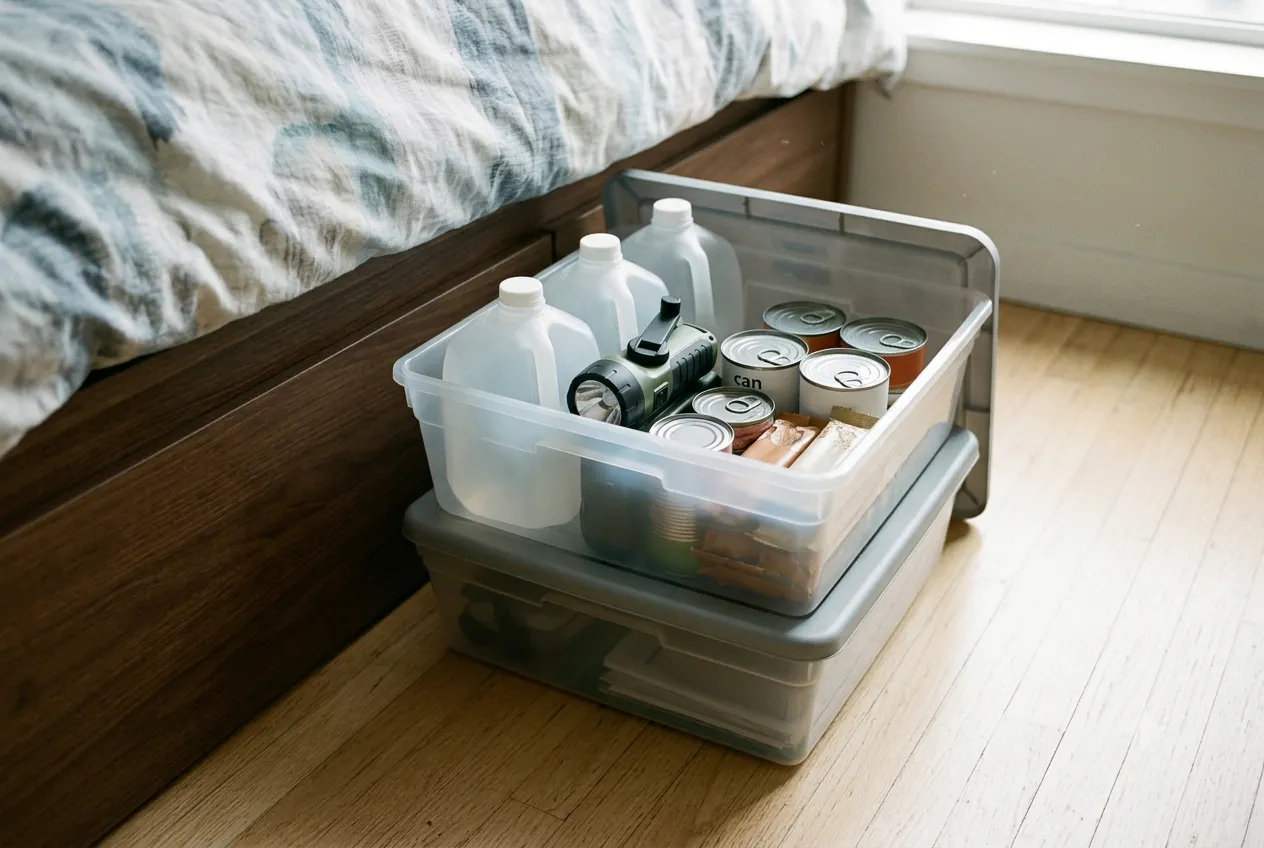
A complete kit covers five categories: water, food, light, communication, and backup power. Everything below is organized by category so you can build incrementally instead of buying everything at once. For official baseline guidance, see Ready.gov’s emergency kit checklist.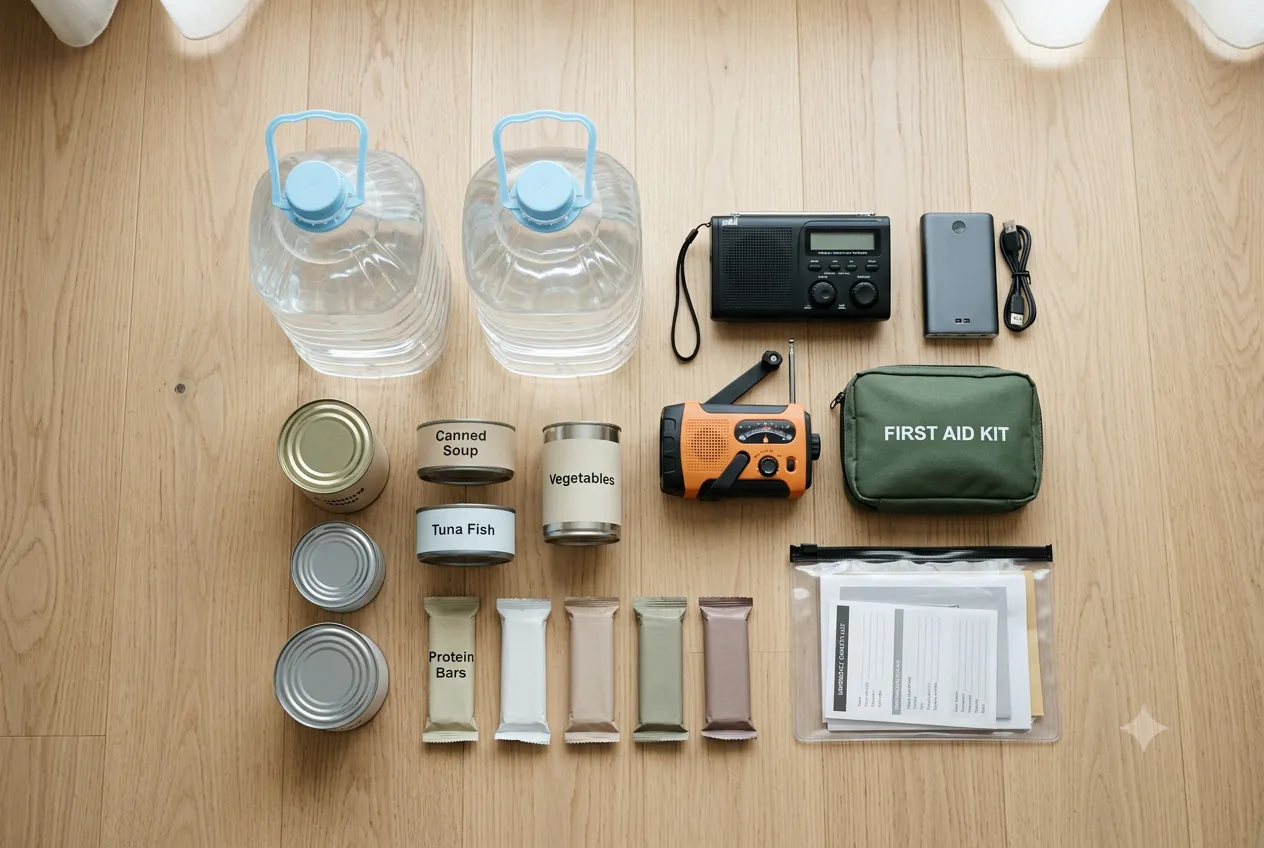
Water
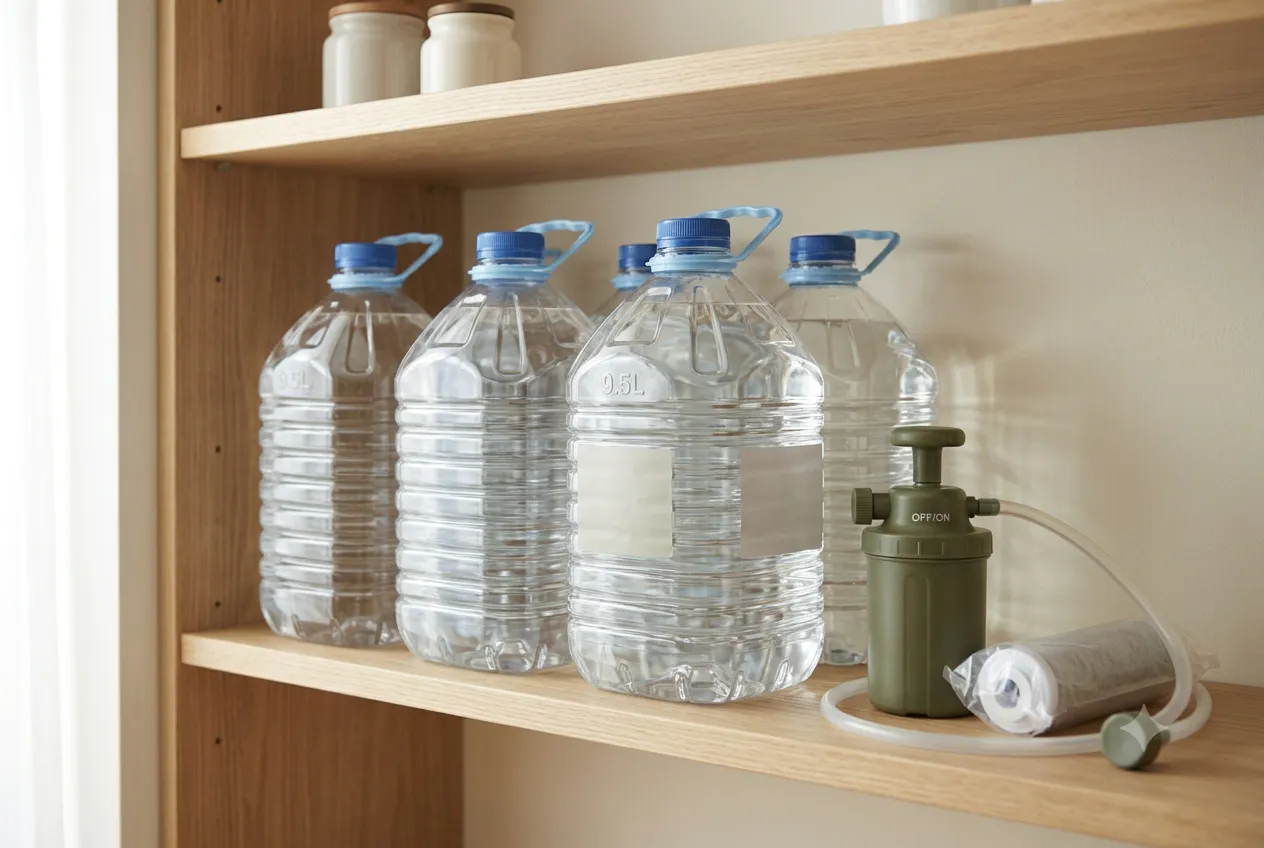
- 1 gallon per person per day (3 gallons minimum per person for 72 hours)
- A portable water filter as backup (extends your supply if the disruption runs longer than expected)
Food
- Shelf-stable, no-cook options: protein bars, canned goods with a manual can opener, freeze-dried meals
- Plan for 2,000 calories per person per day minimum
Light & Power
- A hand-crank or battery flashlight per person
- A backup power source for phones and medical devices: see the decision framework below
Communication
- A battery or hand-crank emergency radio with NOAA weather alerts
- A written list of emergency contacts (don’t rely on phone memory alone)
First Aid & Documents
- A basic first aid kit (bandages, antiseptic, any household-specific medications)
- Copies of ID, insurance info, and emergency contacts in a waterproof bag
Quick Picks
| Category | Best Overall | Best Value | Best for Apartments |
|---|---|---|---|
| Backup Power | EcoFlow River-series portable power station | Jackery Explorer-series | Compact power bank + solar panel combo |
How Much Backup Power Do You Actually Need?
This is the question that trips up most first-time buyers. Use this framework instead of guessing.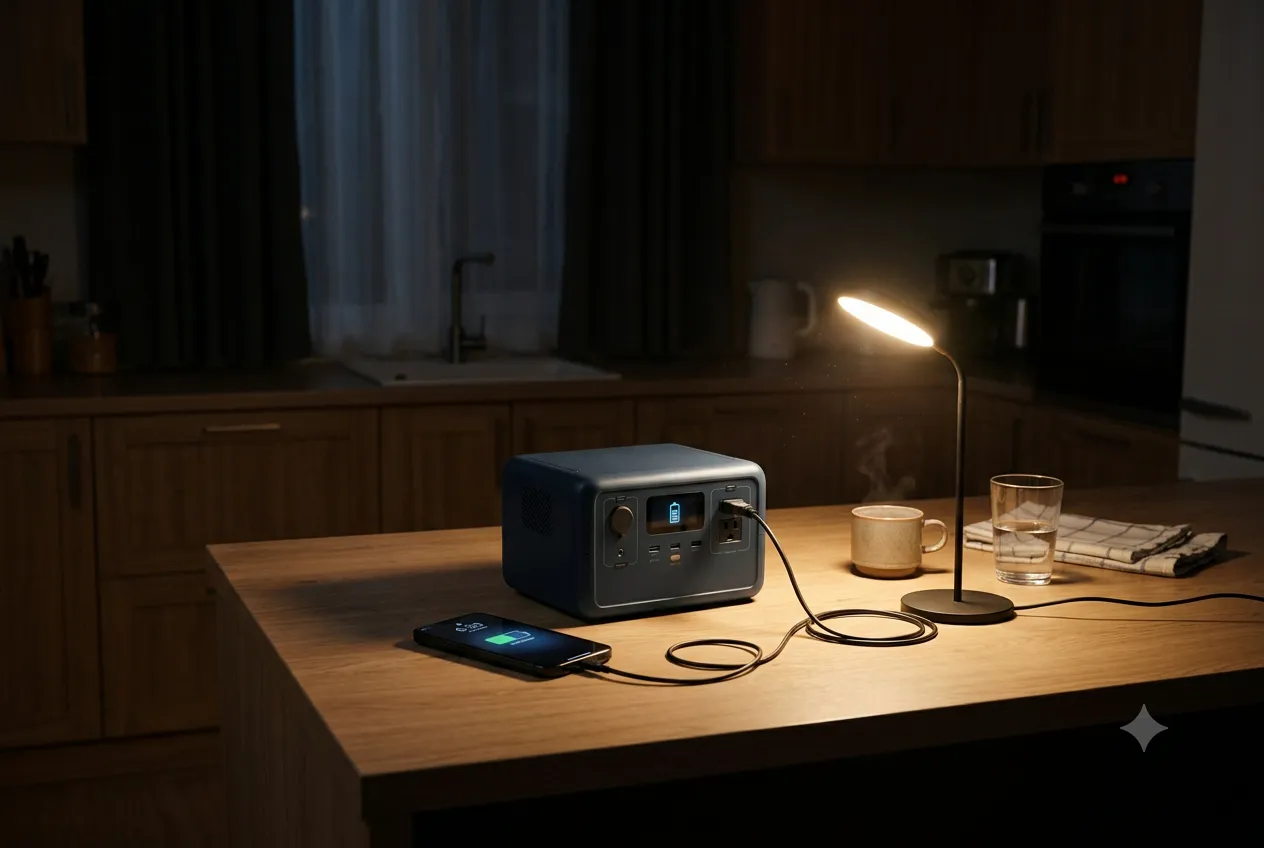
If you want maximum runtime →
Choose a larger-capacity station (EcoFlow Delta-series or similar). Best if you need to run a CPAP machine, medical device, or want to keep a fridge running intermittently.If you want best value →
Jackery Explorer-series covers phone charging, a few lights, and a radio for multiple days without overspending on capacity you won’t use.If you need portable/apartment-friendly →
A compact power bank (10,000–20,000mAh) paired with a foldable solar panel covers phone and light charging without the bulk of a full power station: ideal if storage space is limited.If you’re planning for winter readiness →
Cold reduces battery efficiency. Choose a station rated for cold-weather performance and store it indoors, not in an unheated garage or vehicle.Before you buy, verify: current price, watt-hour capacity, and recharge time directly on the product page: these specs and prices change and should be confirmed at the merchant before purchase.
Power Station Options: US & Canada
| Brand | Best For | US | Canada |
|---|---|---|---|
| EcoFlow | Maximum runtime, fast recharge | Check price (US) | Check price (Canada) |
| Jackery | Best value, reliable mid-range | Check price (US) | Check price (Canada) |
72-Hour Kit Scenario Fit
Prefer a Ready-Built Kit?
If assembling each category above feels like more than you want to take on this week, Survival Frog sells pre-built 72-hour and emergency kits alongside individual pieces like lanterns, hand-crank radios, and long-shelf-life food: a faster starting point if you would rather buy a complete kit than build one category at a time. Verify exact kit contents and current price on their product page before buying.
Building this kit with school-age kids in the house? Pair it with our back-to-school family emergency plan for pickup failures, home-alone readiness, and school lockdowns.
Frequently Asked Questions
How much does a 72-hour emergency kit cost?
A basic kit typically runs $100–$250 depending on what you already own. Water and food add little cost if you’re already stocking groceries; backup power is usually the largest single expense.How much water should I store per person?
Store at least one gallon per person per day, or three gallons per person for a 72-hour kit. Increase this for hot climates, pets, or anyone with medical needs.What’s the difference between a 72-hour kit and a bug-out bag?
A 72-hour kit is typically stored at home for sheltering in place during an outage or storm. A bug-out bag is portable and packed for evacuation. Many households build one kit that serves both purposes.Do I need a generator or is a portable power station enough?
For most apartment and household needs (phones, lights, a radio, occasionally a CPAP) a portable power station is enough and is safer indoors. Generators produce far more power but must run outdoors only, away from windows and doors, due to carbon monoxide risk.How often should I rotate food and water in my kit?
Check and rotate stored water and shelf-stable food every 6–12 months. Set a recurring reminder tied to a date you’ll remember, like daylight saving time changes.Can I build a 72-hour kit on a tight budget?
Yes. Start with water and a flashlight: both are inexpensive and cover the two most urgent needs. Add one category per month rather than buying everything at once.What size power station do I actually need for a 72-hour kit?
For phone charging, lights, and a radio, a smaller-capacity station (under 300Wh) is usually enough. If you need to run a medical device or want appliance backup, size up: see the decision framework above.Is a 72-hour kit enough, or should I prepare for longer?
72 hours covers the most common disruption window. If you live somewhere prone to longer outages (rural areas, severe winter regions), consider expanding toward a 1–2 week supply once your 72-hour kit is complete.Want the printable checklist version?
Get the free 72-Hour Emergency Checklist: a simple, room-by-room PDF you can print and check off as you build your kit. Get the Free ChecklistPrefer a webpage you can browse without printing? See the free 72-hour emergency checklist guide: every item on this page, no email required.