Real-Life Survival Case Studies from the Wild
Quick answer: The best-documented survival cases share three traits. The survivor stayed calm instead of panicking. They used one basic skill at the critical moment — an air pocket, a thrown rock, a few calm strokes. And they had a plan for what came right after. Below are three real, sourced cases plus one illustrative desert scenario, with the specific lesson each one teaches.
J.T. Wilder | Survival strategist, Survival Tactix. We draw the case studies below from published news reporting and link each one to its original source; one scenario is explicitly illustrative rather than a specific incident (marked below). Last updated: July 2, 2026.
Jump to: Shark Attack: Staying Calm Under Water · Avalanche: The Air Pocket That Bought Four Hours · Cougar Encounter: Fighting Back With What’s in Reach · Desert Heat: An Illustrative Scenario · Building a Survival Kit · The Importance of Survival Training · The Power of Mindset · FAQ
Surviving the wild is a test of endurance, resourcefulness, and mental fortitude. It’s easy to think survival stories only happen in movies. In reality, people live through harrowing wilderness and wildlife encounters every year. Read the actual reporting and their accounts teach very specific, very practical lessons. This guide walks through three real, sourced case studies, one illustrative scenario, and the skills and gear that show up as the common thread across all of them.
Shark Attack: Staying Calm Under Water
In late May, 20-year-old surfer Alejo Santiñaque was sitting on his board at Red Cliff Beach in New South Wales, Australia, when a shark grabbed his foot and pulled him underwater. As the NZ Herald reported, his immediate response was to kick the shark as hard as he could to make it let go, then swim as fast as he could toward his board and the shore. Friends on the beach applied a tourniquet before paramedics arrived. The bite tore through skin and muscle and damaged a tendon, but missed any major artery.
Key Lesson: Santiñaque’s account emphasizes immediate, decisive action over panic: kick, swim, get to people who can help. Controlling the first few seconds of a crisis is often the whole game.
Avalanche: The Air Pocket That Bought Four Hours
Washington skier Michael Harris was buried by an avalanche while skiing in-bounds at Stevens Pass Ski Resort on Feb. 26. According to GearJunkie’s reporting, most avalanche burial victims don’t survive more than two hours, but Harris made it four, thanks in part to avalanche training that let him create “a beach ball-sized air pocket with one arm” while buried. Ski patrol found him after his wife used phone location-sharing to notice his position hadn’t changed in three hours. He emerged with a broken leg, fluid in his lungs, and hypothermia, but doctors expect him to recover.
Key Lesson: Prior training mattered more than luck: Harris knew the air-pocket technique before he needed it. Combined with the fact that he was found through a shared phone location, this case makes the strongest argument for both skills training and a communication/check-in plan before you head out.
Cougar Encounter: Fighting Back With What’s in Reach
Ray Nielsen, 70, was hiking alone in the Diamond Fork area of Spanish Fork Canyon, Utah, when he was blindsided by a mountain lion. Per KSL TV’s report, after a brief struggle that left him with lacerations, Nielsen grabbed a rock and hit the animal, which then ran off. He made it back to his truck and drove himself home before a hospital treated him with rabies and tetanus precautions.
Key Lesson: Nielsen didn’t have a weapon or a plan for this specific moment: he used what was on the ground. Wildlife agencies repeat one lesson after cases like this. Learn the fight-back guidance for animals in your area before you need it. You may have nothing more specialized than your hands and your surroundings.
Desert Heat: An Illustrative Scenario
Unlike the three cases above, this is not a specific reported incident: it’s a composite scenario built from documented desert-survival principles, so you can see how they fit together in practice.
Picture a day hiker who underestimates a trail in triple-digit heat and runs low on water with hours of daylight left. Land-management and health agencies document the guidance that prevents this clearly. Ration water on a schedule rather than waiting until you’re thirsty. Seek shade and stop moving during the hottest part of the day. Shift strenuous movement to early morning, evening, or after dark, when temperatures drop. The CDC’s extreme heat guidance and your local land-management agency’s trail advisories cover this in more detail before you go.
Key Lesson: In extreme heat, the failure point usually traces to a decision made hours earlier. People start too late in the day. They carry too little water. Or they push past the point where turning back was still easy.
Building a Survival Kit: Essential Tools for Every Outdoor Adventure
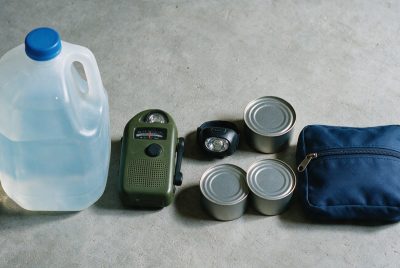
Every case study above points back to the same short list. You need a way to signal or get found. You need a way to manage water, treat an injury, and make fire or stay warm. A fire starter, a multipurpose tool, extra layers, water purification tablets, and a first-aid kit cover most of what actually mattered in the cases above. See our Key Survival Products guide for a full breakdown by category.
Key Lesson: A properly stocked kit ensures you have the tools to handle a range of situations, but as every case above shows, the kit only works if you know how to use what’s in it.
The Importance of Survival Training: Enhancing Your Skills
Knowing how to use your gear matters as much as having it. Harris’s avalanche training is the clearest example in this article: the air-pocket technique isn’t something most people would improvise under panic; it’s something you learn beforehand. Wilderness first aid, navigation without a compass, and basic wildlife-encounter response all follow the same pattern. See our guide to survival and emergency training certification for a structured way to build these skills before you need them.
Key Lesson: Training compresses your reaction time in a crisis from “figuring it out” to “doing the thing you already practiced.” That gap is often the difference described in every case study above.
Case Study Reflection: The Power of Mindset in Survival Situations
All three real cases above share a common thread: the survivors describe staying functionally calm rather than freezing. Santiñaque focused on the immediate physical task of kicking and swimming. Harris relied on a technique he’d already trained on instead of panicking in the dark. Nielsen assessed what was within reach and used it. None of them describe a moment of paralysis. They describe doing the next right thing, one step at a time.
Key Lesson: Mental clarity under pressure isn’t a personality trait you either have or don’t: in each case above, it was backed by either prior training or a simple, immediate physical action. That’s learnable.
Not every emergency happens in the wild, though: for a household-focused expert breakdown of a very different kind of disruption, see our EMP survival expert interview.
A Small Step Is Still a Step
You don’t need to become a wilderness expert overnight to benefit from these lessons. Pick one: learn the air-pocket technique before your next winter trip, practice a basic wildlife-encounter response for your region, or just start carrying a little more water than you think you’ll need. Small, practiced habits are what showed up in every real case above: not luck, and not a fully-stocked pack.
A Word of Encouragement
These stories are sobering, and they’re not here to frighten anyone. The consistent lesson across all of them is encouraging: survival usually turned on ordinary preparation and steady thinking, not heroics. Ordinary people did well because they had thought about it beforehand. That option is open to all of us.FAQ
1) Are these real people?
Three of the four cases above (the shark attack, the avalanche, and the cougar encounter) are real, reported incidents with named individuals, linked to the original news coverage. The desert-heat scenario is explicitly labeled as illustrative: a composite built from documented survival guidance, not a specific reported incident.
2) What’s the single most common thread across these cases?
Immediate, decisive action beats hesitation, and prior training or knowledge (an air-pocket technique, fight-back guidance, a water-rationing plan) consistently outperforms improvising from scratch.
3) Do I need formal training to benefit from these lessons?
No. Reading the technique is a start. But Michael Harris’s case specifically shows the value of practiced, hands-on training over just having heard of a technique once.
4) What should go in a basic survival kit based on these cases?
A way to signal for help, water and a way to purify more, basic first aid, and a fire/warmth source. See our Key Survival Products guide for specifics.
5) How do I fight back against a wildlife encounter if I don’t have a weapon?
Nielsen’s case is a real example of using an improvised object (a rock) and immediate physical resistance. Research the specific guidance for the animals in your region before you go: cougar, bear, and shark response guidance differ significantly.
Conclusion: Surviving and Thriving in the Wild
Surviving in the wild is about being prepared for the unexpected and staying functionally calm in the face of it. The real cases above (a surfer, a skier, a hiker) didn’t have anything exotic going for them. They had a moment of clear-headed action, and in two of the three cases, prior training that made that action possible. By learning from real, documented survival cases instead of vague retellings, you can prepare more specifically for what actually helps.
Next step: Pick one skill from the cases above: the avalanche air-pocket technique, a regional wildlife fight-back plan, or a water-rationing habit, and learn it this week, before you need it.