Survival and Emergency Training Certification: Your Guide to Being Prepared
A power outage that runs long, a hiking trip that turns into a real emergency, a neighbor who needs help before paramedics can get there: these moments call for more than good intentions. Survival and emergency training certification gives you a structured way to build real skills for real situations, from wilderness first aid to community disaster response. This guide walks through what these certifications actually teach, which ones exist, and how to choose one that fits your life.
For the bigger preparedness picture, pair this guide with Being Prepared for Emergencies, How to Build a Shelter for Survival, and Why Communication and Navigation Are Critical.
Fast track: If you want one certification to start with, FEMA’s CERT program is free, community-based, and built for everyday households. If you spend real time outdoors, Wilderness First Aid, through the Red Cross or NOLS, is the stronger starting point.
Preparedness information is for general education and is not a substitute for hands-on certified training or professional medical guidance.
Jump to: Quick answer • Why get certified • What you’ll learn • Types of certifications • Seasonal & regional hazards • Who should get certified • Choosing a program • What to expect • What to bring • Trusted resources • FAQ
Quick Answer: What Is Survival and Emergency Training Certification?
Survival and emergency training certification is structured, hands-on instruction (such as FEMA’s CERT program, Red Cross or NOLS Wilderness First Aid, or Basic Life Support) that teaches you to respond to real emergencies. Programs typically run one weekend to two weeks, are taught by recognized organizations, and usually need renewal every one to two years.
J.T. Wilder | Survival strategist, Survival Tactix | Last updated: July 11, 2026
Why Get Certified? What Are the Real Benefits?
Certification does not turn you into someone else. It gives the person you already are a clearer plan for the moments that matter most.
- A steadier response under pressure. Training replaces guesswork with a process you’ve already practiced, which is most of what separates a calm response from a panicked one.
- Skills that transfer directly. Stopping serious bleeding, performing CPR, building emergency shelter, purifying water: these are learned once and kept for life, the way riding a bike is.
- A role in your household or community. Someone in the group who knows what to do first is a genuine asset during a blackout, a storm, or a backcountry injury.
- A possible path into related work. Some certifications open doors into emergency response, outdoor guiding, or teaching preparedness skills to others, though this varies by program and region.
What Skills Will You Learn in a Survival and Emergency Training Program?
Most programs build around a core set of practical skills:
- Wilderness survival basics: finding and treating water, building emergency shelter, and understanding exposure risk. Many wilderness-focused courses teach packing and skill categories close to the National Park Service’s Ten Essentials framework: navigation, sun protection, insulation, illumination, first-aid supplies, fire, repair tools, nutrition, hydration, and emergency shelter.
- First aid and CPR: treating wounds, fractures, and cardiac emergencies, often with hands-on practice on training manikins.
- Navigation: using a map, compass, or GPS to find your way without relying on a phone signal.
- Emergency preparedness planning: building a household disaster plan and a go-bag, and knowing the specific steps for floods, fires, or earthquakes in your area.
- Fire and rescue basics: some programs cover safe evacuation and basic search-and-rescue support roles.
What Types of Certifications Are Available?
Programs vary in focus, length, and who they’re built for.
- Community Emergency Response Team (CERT): a free, FEMA-supported program taught locally through your area’s emergency management agency, fire department, or police department. CERT trains everyday residents to help their households and neighbors during a disaster until professional responders arrive. A free online introduction (FEMA IS-317.A) can be taken before signing up for in-person classroom training.
- Wilderness First Aid (WFA): a 16-hour course, typically taught over two days, from providers such as the American Red Cross or NOLS, focused on treating injuries and illness when professional help is hours away. Red Cross WFA certification is valid for two years and requires current adult CPR/AED certification to enroll.
- Wilderness First Responder (WFR): a deeper program, such as NOLS’ WFR course, an immersive 80-hour course spanning 9–10 days. Certification is valid for two years. This level suits guides, outdoor leaders, and anyone spending extended time far from medical care.
- Basic Life Support (BLS): CPR and first-aid training aimed primarily at healthcare providers and workplaces that require it, typically renewed every two years.
- Survival Instructor / Train-the-Trainer tracks: offered by some wilderness schools for people who want to teach survival or first-aid skills to others. Availability and requirements vary by organization.
- Urban and community preparedness training: CERT fits here too, alongside local Red Cross household-preparedness courses built for cities and apartments.
Does Training Cover Seasonal and Regional Hazards Like Winter Storms?
Many CERT and Red Cross curricula weave in seasonal hazard modules (cold weather, heat, flooding, wildfire) matched to your region, rather than treating certification as one-size-fits-all. Even outside formal certification, it’s worth knowing the basics before a winter training exercise or a real winter storm:
- The National Weather Service warns that extreme cold combined with wind chill can bring on frostbite and hypothermia in a matter of minutes, and that uncovered skin and extremities are most at risk.
- The CDC recommends dressing in layers, limiting time outside, watching for hypothermia warning signs (shivering, confusion, slurred speech, drowsiness), and having a plan for safe heat if the power goes out.
If cold-weather readiness is a priority for your household, our Cold Weather Survival guide goes deeper on gear and planning.
Who Should Get Certified?
Survival training isn’t reserved for extreme outdoor athletes. It fits a wider range of people than most assume:
- Outdoor adventurers: hikers, campers, and climbers who spend real time in remote settings.
- Parents and caregivers: anyone responsible for the safety of others benefits from knowing what to do first.
- Professionals and community leaders: teachers, coaches, and neighborhood organizers who may be the first point of contact in a local emergency.
- Everyday households: you don’t need a remote hobby to benefit. Power outages, storms, and medical emergencies happen everywhere.
How Do You Choose the Right Program?
Match the certification to your actual situation rather than picking the most popular name.
- Best if you’re focused on your household and neighborhood: CERT: free, local, and built around community response.
- Best if you spend real time outdoors: Wilderness First Aid through the Red Cross or NOLS.
- Best if you’re going deep into backcountry or guiding others: Wilderness First Responder (NOLS or a comparable accredited program).
- Best if your workplace requires it: Basic Life Support (BLS) through the Red Cross or American Heart Association.
A few things worth checking before you enroll:
- Accreditation: look for recognized organizations (Red Cross, FEMA, NOLS, or your local emergency management agency).
- Time and cost: programs range from a few hours to multi-day, immersive courses. Confirm current pricing directly with the provider; costs vary by organization and region.
- Format: in-person hands-on training is standard for practical skills; some programs offer hybrid options with online theory.
- Instructor experience: providers should list instructor qualifications; ask if it isn’t clear.
What Does the Certification Process Look Like?
- Sign up through a recognized provider: your local emergency management office for CERT, or the Red Cross/NOLS course finder for wilderness programs.
- Learn the theory: classroom or online sessions covering risk assessment, basic anatomy, and emergency procedures.
- Practice hands-on: this is where most of the real learning happens: shelter building, wound care, CPR on training manikins, simulated scenarios.
- Complete an assessment: most programs include a written and/or practical evaluation.
- Renew on schedule: most certifications expire after one to two years and require a refresher course to stay current.
What Should You Bring to Training Day?
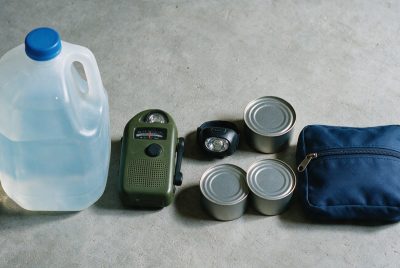
Most in-person courses will tell you exactly what to pack, but a general prep list, built loosely around the same categories the National Park Service uses for its Ten Essentials, covers most situations: a way to navigate, layers for changing weather, a personal first-aid kit, a headlamp or flashlight, food and water for the day, and a small repair kit or multi-tool. If you’re starting from scratch and want a starting-point checklist for assembling this kind of kit, our Key Survival Products hub walks through the core categories.
Trusted Resources and Related Guides
Trusted external resources
- National Weather Service: Cold Weather Safety
- CDC: Winter Storm Safety
- National Park Service: Ten Essentials
- FEMA: Community Emergency Response Team (CERT)
- American Red Cross: Wilderness First Aid
- NOLS: Wilderness Medicine Courses
Related SurvivalTactix guides
- Being Prepared for Emergencies
- How to Build a Shelter for Survival
- Why Communication and Navigation Are Critical
- Cold Weather Survival
- How to Purify Water in the Wild
- Key Survival Products
- “Always Be Ready”: An Expert Interview
Calm + Courage: Getting certified can feel like a big commitment when life is already full. You don’t need to sign up for everything at once. Pick one starting point (a free CERT intro course, a weekend Wilderness First Aid class, or simply a refresher on CPR) and build from there. Every skill you learn stays with you, and each one makes the people around you a little safer too. Small steps compound fast.
A Word of Encouragement
Formal training is a genuine upgrade, but it’s an addition, not a prerequisite. Plenty of people handle emergencies well with nothing more than a plan and basic first aid knowledge. If a course fits your time and budget, it’s well worth it. If it doesn’t right now, that’s fine: keep building the basics in the meantime.
FAQ
How long does it take to get certified?
It depends on the program. Wilderness First Aid runs about 16 hours over a weekend. Wilderness First Responder is an immersive 80-hour course over 9–10 days. CERT classroom hours vary by local jurisdiction: check with your area’s emergency management office.
Is survival training only for outdoor enthusiasts?
No. CERT and BLS are built for community members and workplaces, not just hikers and campers. Anyone can face a power outage, a storm, or a medical emergency.
How much does certification cost?
CERT is typically free, since it’s run through local emergency management agencies. Costs for Wilderness First Aid, WFR, and BLS vary by provider and region: check current pricing directly with the organization before enrolling.
Do certifications expire?
Yes. Most expire after one to two years, and a refresher course is required to stay current.
Can I take courses online?
Some programs offer online theory components, but the hands-on practical portion, required for meaningful skill-building, is typically in-person.
Next step
Start with the certification that matches where you actually spend your time: CERT if your priority is your household and neighborhood, Wilderness First Aid if you’re regularly outdoors. One weekend of training is a realistic, achievable first step.