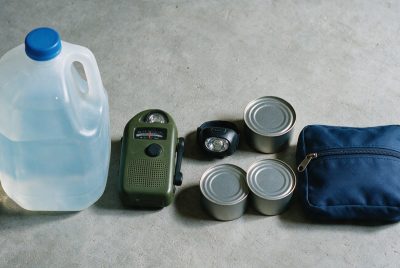
EMP Survival Interview: Expert Advice & Action Plan

Quick answer: EMP and solar-storm risk to your home comes down to logistics, not luck. Shield a few spares in a DIY Faraday container, add whole-home surge protection, layer backup power (light → solar → generator), keep two-way radios ready, store water and cash, and rehearse a simple family communication plan. Layers beat any single gadget.
By J.T. Wilder, founder of Survival Tactix, where he researches and field-tests grid-down and off-grid preparedness strategies for everyday households. Last updated: July 2, 2026.
An in-depth EMP Survival Expert Interview about what really matters before, during, and after an electromagnetic pulse or severe space-weather event.
Jump to: Meet the Expert · What Is an EMP? · Solar Storm vs. EMP · What Fails First? · Building a Layered Shield · Staying in Touch · Staying Powered · Home Hardening · 72-Hour to 30-Day Playbook · Training Your Team · After the Pulse · Resources · FAQ
Meet the Expert: A Grid Engineer’s Perspective on EMP Readiness
A note on this format: “Dr. Ward” is an editorial composite — a grid-engineer voice built from publicly documented practices and standards (CISA, NOAA, NERC) rather than a single named, verified individual. We use the interview format because it makes technical material easier to absorb.
In this EMP Survival Expert Interview, we sat down with “Dr. Ward” — a grid-engineering perspective grounded in blackout modeling, tabletop exercises, and real storm debriefs — to translate the physics into a plan an ordinary household can use. “People imagine movie magic,” she told me, “but resilience is mostly logistics and checklists. Systems fail in chains. Preparedness breaks the chain.”
In her view, the average household can reach meaningful resilience with simple layers: protect a few essentials, diversify power, and practice communications. “You don’t have to outsmart physics,” she said. “You just have to be ready earlier than the failure.”
What Is an EMP—and What Isn’t It?
An electromagnetic pulse (EMP) is a sudden burst of electromagnetic energy. High-altitude nuclear detonations can produce a three-part signal called E1, E2, and E3. E1 is a very fast spike that can threaten sensitive electronics; E2 resembles lightning; E3 is slower and can stress long conductors like transmission lines. For households, the nuance matters only so far — your plan still revolves around cutting dependencies and protecting the essentials. For the policy context behind why both man-made HEMP and natural events concern planners, see CISA’s Electromagnetic Pulse program overview.
What it isn’t is a guaranteed, universal gadget-killer. Susceptibility varies by design, wiring, and whether a device is connected to long leads. Because outcomes are mixed, we prepare with redundancy and shielding rather than betting on any single device.
How Is a Solar Storm Different From an EMP?
Solar storms — specifically geomagnetic disturbances (GMDs) — are natural events that can drive quasi-DC currents in long conductors and burden power systems. The NOAA Space Weather Prediction Center classifies storm severity using familiar, numbered scales (G1–G5 for geomagnetic storms). You can subscribe to alerts and gauge potential impacts well before your lights flicker, which gives households precious time to unplug non-essentials and top off batteries.
A nuclear HEMP behaves differently, particularly the fast E1 component. Utilities mainly harden against the longer-duration GMD threat using planning standards such as NERC TPL-007-4. Households, by contrast, should prepare for both scenarios with the same core actions: shorten antennas (unplug), add surge protection, shield spares, and maintain workable fallbacks.
What Fails First? Devices, Dependencies, and Domino Effects
Power & grid equipment. During severe space weather, long transmission lines and large transformers can be stressed by geomagnetically induced currents. Protection systems may trip lines and transformers offline to prevent damage, yet restoration can still take time.
Communications networks. Cellular towers rely on the grid plus backup batteries. In a disturbance, networks often jam before they fail because everyone calls at once. If backhaul links drop — or a site’s batteries drain — coverage shrinks to pockets. Texts sometimes sneak through when voice does not, but you cannot count on it. Keep practical radio options as a hedge.
Water and wastewater systems. Pumps, chlorination equipment, and supervisory controls all need reliable power. If electricity falters, treatment slows and pressure drops. Even short interruptions can create boil-water advisories. Households that store a cushion of drinkable water feel the difference immediately.
Finance, fuel, and logistics. Payment terminals, ATMs, routing software, and fuel distribution all depend on power and data. If comms degrade, deliveries arrive late or not at all, and “cash only” signs appear. Keeping a small cash reserve, a paper ledger, and a simple fuel rotation plan smooths those hiccups.
Household electronics. The most vulnerable items are usually those connected to long wires — power cords, antenna leads, Ethernet, and coax. Battery-only devices with no external wiring often fare better. That’s why a charged headlamp in a drawer outperforms a fancy light that sits tethered to the wall.
How Do You Build a Layered EMP Shield?
“Perfect is the enemy of prepared,” Dr. Ward said. “Go for layers, not miracles.”
Storage shielding (Faraday basics). Start with the easy wins: store key spares inside conductive enclosures. A purpose-built Faraday bag is convenient, but a DIY metal container works when assembled correctly. Choose a lidded steel can or tin, line it with cardboard or foam so devices don’t touch the metal, and seal the lid snugly. Nesting helps — bag inside a tin, tin inside a metal trash can — because each layer adds attenuation. Label the outside with what’s inside and the last test date so you actually rotate those items. If you’d rather build a dedicated kit around this instead of assembling it piece by piece, see our EMP Survival Kit guide for a full Faraday-proof essentials list.
Line-side protection (surge and filtering). Whole-home surge protection at the panel acts like a seatbelt for big spikes, while point-of-use protectors at outlets catch the smaller surges that slip through. If your internet relies on coax or Ethernet, add arrestors rated for your service.
System choices (design for short leads). When possible, favor gear that does not require long, always-connected cables. For radios, keep a compact backup antenna and a spare microphone stored in shielding. For off-grid power, store a spare charge controller and extra fuses — small parts that often become single points of failure.
Room-scale options (advanced users). If you manage mission-critical equipment — medical devices, comms spares, or work gear — consider a grounded wire-mesh closet or a gasketed metal cabinet. This is overkill for many households, yet reasonable for small clinics, volunteer responders, or community hubs.
How Do You Stay in Touch When the Grid Is Down?
Active set for daily use. Equip your home with a weather/all-hazards radio so official warnings reach you even if cell service stutters. Add a pair of simple family handhelds (FRS/GMRS/PMR) and practice quick messages in normal times. Post a laminated call sheet near the fridge with names, channels, and rally points. Our solar and hand-crank emergency radio guide walks through picking one.
Stored spares for bad days. Keep an additional handheld radio sealed in a Faraday bag with fresh batteries, a short antenna, and a two-minute quick-start card. If you’re licensed, store a compact amateur radio for regional communication. Include a spare battery bank and a tangle-free set of charging leads.
Communications rhythm. Establish a simple schedule — say, the top of the hour for five minutes. Use a clear script: who you are, where you are, your status, and your next step. Practice monthly so those phrases roll off the tongue when pressure rises. See our guide to communication and navigation for survival for the full toolkit.
How Do You Stay Powered After an EMP?
“Startability beats capacity,” Dr. Ward said. “The best system is the one your family can actually start on a rainy night.”
Tier 1 — lights and phones. Anchor your kit with headlamps and lanterns that run on common AA/AAA cells. Pair them with two rugged power banks, each labeled with a rotation date. Keep a small DC-to-AC inverter in the car for daylight charging runs.
Tier 2 — quiet daily charging (small solar). Add a folding solar panel sized to recharge your banks and radios, a reliable charge controller, and a modest battery. Store a spare controller in shielding; these small brains can be a single point of failure. See our solar generator comparison for options at this tier.
Tier 3 — heavy loads (generators). If you must run a fridge, freezer, or medical device, consider an inverter generator with a proper transfer method. Keep spare spark plugs, oil, and the correct fuses on hand, along with a “first-ten-minutes” start checklist taped to the lid.
Protection habits. During strong space-weather alerts — watch NOAA’s G-scale — you can unplug non-essentials, pause high-draw chores, and top off batteries. Subscribing to alerts turns “surprise” into “routine.”
What Home Hardening Actually Moves the Needle?
Panel-level protection. Install a whole-home surge protector. It’s a relatively inexpensive device that clamps big spikes before they race through every outlet.
Outlet defense. Use point-of-use protectors for sensitive electronics like computers, routers, and TVs. Replace them after major events — they sacrifice themselves quietly.
Storm routine. Write a one-page script for your home: who unplugs what, which breakers to open, and where the laptops and radios get stowed. Tape it inside a cabinet.
Water cushion. Stock sealed jugs and keep a gravity filter ready. Mark fill dates and rotate on a schedule.
Lighting layout. Mount small tap-lights in stairwells and bathrooms; place glow-in-the-dark stickers on drawer pulls where flashlights live.
Paper backups. Keep paper maps, critical phone numbers, prescriptions, and ID copies in a waterproof pouch. Digital records are convenient until they aren’t.
The 72-Hour to 30-Day Playbook
First 72 hours
Account for people. Start with a headcount and quick welfare checks. Clear status first; everything else follows.
Stabilize the essentials. Establish light, safe temperature, drinkable water, and minimal communications. Turn on lanterns in shared spaces.
Protect perishables. If outages stretch beyond a few hours, plan for the freezer and fridge. Cook what will spoil first, and keep a rotation of freeze-dried food on hand that never depended on the fridge in the first place.
Guard charging capacity. Rotate phones, radios, and lights on a schedule. Keep a paper log of what you charged and when.
Monitor official channels. Note key updates with dates and times so rumor doesn’t fill the gaps.
Days 4–10
Conserve and prioritize. Move from comfort to sustainability. Decide which loads truly matter and shut off the rest.
Build a neighborhood skill swap. Trade what you have for what you lack — tools, filtration, repair skills, childcare.
Wellness rounds. Check on seniors, people living alone, and medically fragile neighbors.
Maintain the machines. Track generator oil, fuel rotation, battery states, and filter changes.
Document by hand. If the network is flaky, paper wins. Keep a daily log of events, contacts, and decisions.
Days 11–30
Shift to sustainable routines. Collect and treat water like clockwork. Put radio check-ins at regular times.
Repair triage. Start with quick wins — damaged cables, popped breakers, broken antenna connectors — then move to spares.
Coordinate with volunteers. Amateur radio clubs and CERT-style teams often become informal glue in a community.
Pace the team. Fatigue breaks plans. Rotate duties, keep meals simple, celebrate small milestones.
How Do You Train Your Family for This?
Run a 60-minute monthly drill to convert theory into muscle memory.
Alert review (5 min). Read through your triggers — NOAA alerts, local emergency messages, repeated voltage sags — and decide who calls the routine.
Power practice (10 min). Start the solar kit, plug in one lantern, verify charge controllers show expected status lights.
Water rehearsal (10 min). Treat and label one gallon. Check filter elements and the spare gasket.
Medical quick-check (10 min). Open the first-aid kit, restock what you used last month, practice one basic skill.
Comms drill (10 min). Send a scripted radio message to a family member in another room. Use the same phrasing every month: who, where, status, next step.
Debrief (15 min). List one friction point you noticed and assign a fix. That single improvement compounds over the year.
After the Pulse: Recovery Mindset and Repair Triage
When power returns, resist the urge to flip everything on at once. Inspect circuits, reconnect heavy loads in stages, and replace sacrificial surge devices that silently absorbed hits. Update inventories and photograph serial numbers while you can. Capture lessons learned while memories are fresh, then revise checklists and restock spares so the next round is easier.
For utilities and planners, recovery includes assessing transformer health, validating relay settings, and reviewing GMD vulnerability assessments required by standards like NERC TPL-007-4. For households, recovery means restoring routines, supporting neighbors, and keeping the most effective habits alive.
Resources, Studies, and Reliable Alerts
If you cite just a handful of authoritative sources, make them these:
- CISA — Electromagnetic Pulse Program. The current federal lead on EMP/GMD risk coordination; explains the national strategy, Executive Order 13865, and how DHS, DOE, DoD, and FEMA coordinate on this hazard.
- NOAA SWPC Scales & Alerts. The operational heartbeat for space-weather awareness; subscribing to these notices turns a potentially surprising event into a predictable routine.
- NERC TPL-007-4. The current planning standard guiding utilities on assessing and mitigating grid-level GMD effects — useful for readers who want to see how bulk power planners think about the problem.
- Ready.gov — Make a Plan. The federal household-preparedness baseline for a family communication and meet-up plan, which applies directly to the EMP/grid-down scenario.
A Small Step Is Still a Step
Preparedness can feel heavy, especially when the topic is something as abstract as an electromagnetic pulse. You do not need to build the whole system today. Pick one small win this week: line a metal tin with cardboard and drop in a spare radio, or write your family’s one-page storm routine. Small steps compound fast, and future-you will be glad you started before you needed to.
FAQs
1) Is a DIY Faraday container worth it?
Yes. A lidded metal container with insulating material can meaningfully reduce exposure for stored spares. It won’t guarantee perfection, but it raises the odds your emergency radio and spare controller wake up when needed.
2) Should I unplug gear during a solar storm or alert?
If safe, yes. Shortening the “antenna” by disconnecting long power, antenna, and data leads lowers risk and conserves batteries. NOAA alerts provide a timely prompt to shift into your storm routine.
3) What’s the best first step for backup power?
Start with light and communications: lanterns, rechargeable batteries, and power banks. Then add a small solar kit for quiet, daily charging. Later, consider an inverter generator for heavy loads, with a safe transfer method and spare parts.
4) Do vehicles all stop working after an EMP?
Results vary widely by model, wiring, and whether the engine is running. Because outcomes are mixed, plan redundancy: maintain bicycles, keep paper maps, and store essential spares and tools regardless of vehicle survivability.
5) How do I know when to activate my plan?
Set triggers: elevated NOAA G-scale alerts, local emergency bulletins, or repeated voltage sags. When a trigger hits, brief your family, unplug non-essentials, top off batteries, and switch to scheduled radio check-ins.
6) What should go in a dedicated EMP kit instead of building one piece by piece?
At minimum: a tested Faraday bag or DIY tin for a spare radio and battery bank, a whole-home surge protector, point-of-use surge strips, and a labeled spares kit (fuses, charge controller, antenna). Our EMP Survival Kit guide breaks down a full shopping list by budget.
The Play Is Layers, Not Luck
EMP survival isn’t about buying a golden gadget. It’s about stacking simple layers so your Plan B works when Plan A stumbles: understand the hazard, watch alerts, unplug when prudent, shield the essentials, diversify your power, and practice communications. Since failures travel in chains, your job is to break the chain — one layer at a time.
Next step: If you haven’t built your shielded spares yet, start with the EMP Survival Kit guide, or grab our free 72-Hour Emergency Checklist to get the rest of your household plan on paper today.