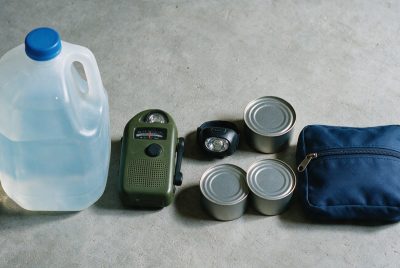
Hurricane Evacuation Guide: Zones, Storm Surge & Prep Timeline
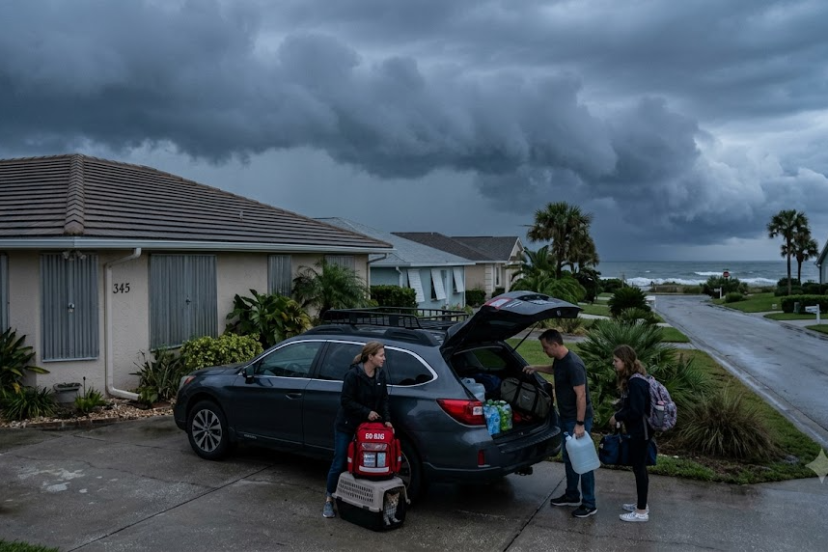
Quick Answer: This hurricane evacuation guide starts with one rule: know your evacuation zone before hurricane season starts — check it at your county emergency management site, not just the news. If officials issue a mandatory evacuation order for your zone, leave before the storm, not during it. Storm surge, not wind, causes most hurricane deaths, and it can flood zones miles from the coast. Pack a go-bag, secure your home, protect your documents, and have a pet plan ready 72 hours out.
Affiliate disclosure: This article may contain affiliate links. If you buy through these links, SurvivalTactix may earn a commission at no extra cost to you. We only recommend products that fit the preparedness scenario and reader need. As an Amazon Associate, SurvivalTactix earns from qualifying purchases.
Fast track: Know your evacuation zone first, then build your 72-hour go-bag and document folder. Everything in this hurricane evacuation guide supports that one decision — stay or go.
Want this as a printable checklist?
Get our free 72-Hour Emergency Checklist — a two-page printable PDF delivered by email, covering the essentials in a grab-and-go format.
Jump to: Storm Categories · Evacuation Zones & Orders · Storm Surge · Securing Your Home · Insurance & Documents · Evacuating With Pets · Before/During/After Timeline · FAQ
J.T. Wilder | Survival strategist, Survival Tactix | Last updated: July 29, 2026
This hurricane evacuation guide is built around one decision: stay or go, and how to make that call with time to spare.
Hurricane season runs June 1 through November 30, and NOAA’s mid-season outlook is calling for a below-average year in the Atlantic basin — 8 to 14 named storms, 3 to 6 hurricanes, 1 to 3 major. That sounds reassuring until you remember what NOAA administrator Neil Jacobs said when he released it: “It only takes one.” Some of the most destructive landfalls on record happened during below-average seasons. A quiet forecast is not a plan.
This hurricane evacuation guide is deliberately narrow. If you’re looking for generator sizing, food safety during an outage, or how long your fridge holds cold, that’s covered in our power outage preparedness guide — this page is about what happens when the storm is aimed at your house and you have to decide whether to stay or go.
How to use this hurricane evacuation guide
Read the sections in order if a storm is already in the forecast cone: zones and categories first, then storm surge, then the home-securing and document steps, then your pet plan and timeline. If you have time to spare, this hurricane evacuation guide works just as well read straight through before the season starts.
What do hurricane categories actually mean for you?
The Saffir-Simpson Hurricane Wind Scale rates storms 1 to 5 based only on sustained wind speed. It says nothing about rainfall or storm surge, which is the detail most people miss.
| Category | Wind Speed | Typical Damage |
|---|---|---|
| Category 1 | 74–95 mph | Some roof and siding damage, downed branches, power outages |
| Category 2 | 96–110 mph | Major roof and siding damage, trees snapped, near-total power loss for days to weeks |
| Category 3 (major) | 111–129 mph | Structural damage to homes, power and water unavailable for days to weeks |
| Category 4 (major) | 130–156 mph | Severe structural damage, most trees down, area uninhabitable for weeks to months |
| Category 5 (major) | 157 mph and up | Total roof failure and wall collapse common; long-term isolation likely |
The category tells you what the wind will do. It does not tell you whether your street will flood. A Category 1 with a slow forward speed can dump more life-threatening water than a fast-moving Category 3. Treat the category as one input, not the whole forecast.
How do I know if I’m in an evacuation zone?
Evacuation zones are set by your county or parish, not by NOAA or the National Hurricane Center, and they’re based on storm surge risk, not wind category. This is the single most important prep step on this page, and it’s the one most people skip until a storm is already three days out.
Do this before the season, not during it:
- Search “[your county] evacuation zone map” and bookmark the official page.
- Look up your zone letter or number and write it down somewhere offline — phones lose signal or die.
- Note your zone’s typical evacuation trigger (many coastal counties evacuate Zone A first, then B, and so on as the storm track firms up).
- Identify two evacuation routes, since the obvious one is usually also the one everyone else uses.
When officials issue a mandatory evacuation order for your zone, that instruction exists because emergency responders may not be able to reach you once winds pick up. Leaving 24–48 hours ahead of a mandatory order beats leaving in the last wave, when routes are jammed and fuel is scarce. A portable jump-starter and a full tank are worth checking now, not the morning you need them — our vehicle roadside kit guide covers the rest of that list.
Quick Picks — go-bag essentials:
- Battery/hand-crank NOAA weather radio — Check price (US) | Check price (Canada)
- Portable power bank (phone-charging size, not a home generator) — Check price (US) | Check price (Canada)
- Waterproof dry bag for electronics and documents — Check price (US) | Check price (Canada)
What is storm surge, and why is it more dangerous than the wind?
Storm surge is seawater pushed inland by a hurricane’s winds, and it’s the leading cause of hurricane deaths in the United States. It isn’t a wave — it’s a rise in sea level that can arrive as rapid, fast-moving flooding over hours, sometimes reaching well inland of the immediate coastline.
- Storm surge risk is a function of storm size, forward speed, and coastal shape — not just category. A large, slow Category 2 can produce more surge than a compact, fast Category 4.
- Surge and normal high tide combine. A storm arriving at high tide pushes water further inland than the same storm at low tide.
- Storm surge maps (often called SLOSH maps) are different from wind evacuation zone maps in some counties — check which one your local emergency management office uses, since a home outside the wind-damage zone can still be inside the surge inundation zone.
If you’re in a surge zone under a mandatory order, elevation doesn’t save you the way people assume — even a two- or three-story home can be overtopped in a severe surge event. This is a leave situation, not a shelter-in-place situation.
How do I secure my home before landfall?
Once you know your household is evacuating (or riding out a storm outside the surge zone), the home-hardening list is short and time-sensitive:
- Windows and doors: Install pre-cut storm shutters or 5/8″ marine plywood panels — pre-drill and label panels well before the season so you’re not measuring in a downpour.
- Yard: Bring in or tie down anything that can become a projectile — furniture, planters, grills, trash cans.
- Garage door: Often the first structural failure point in high wind; a bracing kit is inexpensive insurance.
- Gutters and drains: Clear them now so rain has somewhere to go.
- Utilities: Know how to shut off gas, water, and electricity at the source before you leave.
- Sandbags or water diversion: Place ahead of doorways and low points if flooding (not surge-zone) risk applies to your property.
We keep this list short on purpose. Generator prep, extended power-outage food safety, and post-storm cleanup power needs are covered fully in the power outage guide — don’t duplicate that shopping list here; cross-reference it.
Quick Picks — securing your home:
- Storm shutter panels / hurricane window protection — Check price (US) | Check price (Canada)
- Garage door hurricane brace kit — Check price (US) | Check price (Canada)
- Reusable sandless flood barrier — Check price (US) | Check price (Canada)
What documents and insurance steps should I handle before the storm?
This is the step people regret skipping most, according to insurance adjusters who handle post-storm claims: they can’t quickly prove ownership, occupancy, or pre-storm condition.
Before the season:
- Confirm with your agent what your homeowners policy actually covers — standard homeowners insurance typically excludes flood damage entirely, and a separate flood policy usually has a 30-day waiting period before it takes effect. Buying flood coverage the week of a storm is generally too late.
- Photograph or video every room, closet, and the exterior, including serial numbers and receipts for major items. Store this inventory somewhere other than your phone’s local storage — a cloud backup or emailed copy to yourself works.
In the 72 hours before landfall:
- Gather insurance policy numbers, ID, deeds/titles, birth certificates, medical records, and prescriptions into one waterproof, portable folder or fireproof document bag.
- Take that folder with you if you evacuate. If you shelter in place, keep it somewhere retrievable — not a low shelf in a flood-prone room.
- Photograph your home’s current condition one more time immediately before leaving; a clear “before” record is often what separates an approved claim from a denied one.
Quick Pick:
- Fireproof/waterproof document bag or box — Check price (US) | Check price (Canada)
What do I do with my pets if I have to evacuate?
If you’re ordered to evacuate, plan for your pets to evacuate too — most public shelters and many hotels don’t accept animals, so the time to find pet-friendly shelter or lodging is before the season, not after the order is issued.
Build two kits: a larger shelter-in-place kit and a lighter evacuation version, and rotate the food and medication in both regularly so nothing expires unnoticed.
Pet evacuation kit should include:
- 3–7 days of food and water, plus bowls
- Leash, harness, and a secure carrier sized for calm transport
- Vaccination and vet records (paper copy, since vet offices may be unreachable)
- Current photo of you with your pet, in case you’re separated
- Familiar bedding or a toy to reduce stress
- Waste bags, litter, or a portable litter box
Two things worth doing this month, not during the storm:
- Microchip your pet if it isn’t already, and confirm your contact information is current in the registry.
- Line up a backup caregiver outside your immediate area who could evacuate or shelter your pet if you’re unable to.
Quick Pick:
- Pet travel carrier — Check price (US) | Check price (Canada)
What should my hurricane evacuation timeline actually look like?
A calm plan is a timed plan. Here’s a realistic before/during/after structure:
5+ days out (storm in the forecast cone):
- Recheck your evacuation zone and routes.
- Fuel up vehicles; test the weather radio and power bank.
- Review your home inventory photos are current.
72 hours out:
- Finalize go-bags for every household member and pets.
- Gather the document folder.
- Confirm your evacuation destination and a backup.
- Begin home-securing steps (shutters, yard, gutters).
24–48 hours out:
- If your zone is under a mandatory or voluntary order, leave. Don’t wait for the last announcement.
- Shut off utilities if instructed.
- Take final “before” photos of your home.
During the storm (if you did not evacuate and are outside the surge zone):
- Stay away from windows; shelter in an interior room on the lowest safe floor.
- Monitor the weather radio, not just your phone — cell towers can fail.
- Do not go outside during the eye; the second half of the storm often arrives with winds from the opposite direction.
After landfall:
- Wait for an official “all clear” before returning, even if the wind has stopped.
- Photograph damage before touching anything, for your insurance claim.
- Watch for downed lines, standing water hiding debris, and structural damage before entering your home.
- For power, water, and food-safety steps once you’re back, see our power outage guide rather than repeating that checklist here.
A Word Before You Go
This hurricane evacuation guide was built to make one decision clear: stay or go. If you’re reading this in the middle of a forecast cone, take a breath. A storm feels overwhelming precisely because it forces a dozen decisions into a few days — but you don’t need a perfect plan, you need a workable one, and you already have most of it after reading this far. Knowing your zone, having your documents together, and having somewhere to take your pets covers the decisions that matter most. Everything else is refinement. You’re already ahead of most of your neighborhood just by checking this before the cone existed.
A Word of Encouragement
Evacuation planning can feel heavy, and that’s understandable — but the goal here isn’t dread, it’s fewer decisions to make on a bad day. Almost everything that matters can be done on a calm afternoon: look up your zone, pick your route, put the documents in one folder. Storms are far easier to handle when the thinking is already done. Pick one item from this guide and take care of it this week. That’s genuinely enough for today.
Frequently Asked Questions
Do I have to leave if I’m not in a mandatory evacuation zone?
No — mandatory orders apply to specific zones based on surge risk. If you’re outside an ordered zone and your home is structurally sound, sheltering in place with home-hardening steps completed is generally reasonable. Recheck if the storm’s track shifts.
How far in advance should I evacuate?
Aim to leave 24–48 hours before a mandatory order takes effect for your zone, not after. Routes and fuel availability worsen sharply in the final 24 hours before landfall.
Is storm surge worse than hurricane wind?
Storm surge has historically caused more hurricane deaths in the U.S. than wind. A lower-category storm with a large surge footprint can be more dangerous to a coastal home than a compact, higher-category storm.
Does homeowners insurance cover hurricane flood damage?
Typically no — standard homeowners policies generally exclude flood damage, which requires a separate flood insurance policy. Since flood policies often carry a 30-day waiting period, purchasing coverage right before a storm is usually too late.
What should I do with pets if I can’t take them with me?
Arrange a backup caregiver outside your immediate area well before the season, and confirm which shelters or hotels along your evacuation route accept animals. Most public disaster shelters do not.
Where can I find my county’s official evacuation zone map?
Search your county or parish emergency management website directly rather than relying on news coverage, since zone boundaries and lettering are set locally and can be updated between seasons.
Hurricane evacuation guide: common mistakes to avoid
- Waiting for the news to announce your evacuation zone: zone maps are set by your county, not the National Hurricane Center — check the official site before the season starts.
- Treating the category as the whole story: a slow-moving Category 1 can flood more homes than a fast-moving Category 3.
- Buying flood insurance the week of a storm: most policies carry a 30-day waiting period, so coverage bought late often will not apply.
- Leaving pet planning until the last day: most public shelters and many hotels do not accept animals without arrangements made in advance.
- Leaving in the last wave: routes and fuel availability worsen sharply in the final 24 hours before landfall.
Trusted resources and related guides
Trusted external resources
Related SurvivalTactix guides
First aid kit — Check price (US) | Check price (Canada) — 72-Hour go-bag kit (Survival Frog) — Shop kits
Next step: Confirm your evacuation zone this week, then build your 72-hour go-bag and document folder before the next storm enters the forecast cone.