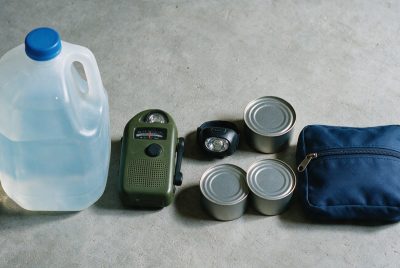
Natural Disaster Survival: The Complete Guide
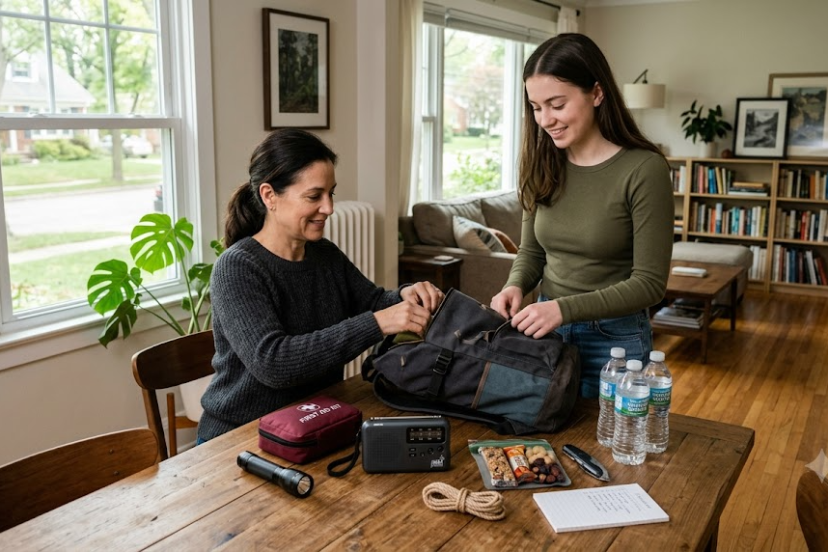
You don’t need to be fearless. You need to be ready. Disasters move like fast-rising tides: sometimes noisy and obvious, sometimes silent and slow. This guide turns that uncertainty into a checklist: know your risks, build a layered kit, decide evacuate-or-shelter before you’re under pressure, and practice the plan so it holds up when it matters.
J.T. Wilder | Survival strategist, Survival Tactix | Last updated: July 29, 2026
Quick Answer: Natural disaster survival comes down to four moves: know your top local hazards, build a three-layer kit (everyday carry, home, and go-bag), store at least three days of water per person, and decide in advance whether you’ll evacuate or shelter in place. Practice the plan often: water, light, and communication matter more than gear.
Disclosure: As an Amazon Associate, SurvivalTactix earns from qualifying purchases. Some links may also be affiliate links (EcoFlow, Jackery, Survival Frog). This supports the site at no extra cost to you.
Preparedness information here is for general education. Follow local laws, evacuation orders, and manufacturer instructions. For medical emergencies, follow official guidance and call local emergency services.
Jump to: Local risks • Mindset • Priority pyramid • 3-layer kit • Family plan • Evacuate or shelter • Scenario playbooks • Power & water • First aid • Kids, elders & pets • Home hardening • Mistakes • FAQ
Know Your Local Risks
Start where your feet are. Which threat is most likely where you live: earthquakes, hurricanes, floods, wildfires, tornadoes, winter storms, or heatwaves? Each hazard behaves on a different clock. Earthquakes strike without warning, while hurricanes typically give several days of notice. Meanwhile, wildfires and floods can escalate within hours, and tornadoes can form and hit within minutes. Once you know your top three risks, your natural disaster survival plan gets sharp instead of generic.
To get specific, pull a hazard map from your city or state emergency management site. Then ask three questions: what’s my flood zone, is my home in a wildfire interface, and how old is my building and how is it anchored? None of that is fear: it’s reconnaissance, and 2025 made the stakes clear. Climate Central’s tracking (which now continues NOAA’s original database) counted 23 separate billion-dollar weather and climate disasters across the U.S. in 2025, with the first half of the year alone totaling roughly $101.4 billion in damage: the costliest six months on record. The single most damaging event was the January 2025 Los Angeles wildfire outbreak, which killed 31 people, destroyed more than 16,000 homes and businesses, and forced over 200,000 evacuations.
The Survival Mindset
Gear helps, but mindset saves. Under pressure, a simple loop works well: observe, orient, decide, act. Breathe, name the hazard, and set one clear next step: “shut the gas, grab the go-bag, move to the interior hallway.” When plans break down, prioritize people over property and exits over equipment. Courage, in other words, is a habit you practice rather than a switch you flip.
The Priority Pyramid: Air, Shelter, Water, Food
Think in layers, not panic. A useful shortcut is the Rule of 3s: roughly three minutes without air, three hours without effective shelter in extreme exposure, three days without water, and three weeks without food. That order tells you what to solve first.
- Air & breathing: N95 dust masks for earthquakes and wildfire smoke. Stay alert for carbon monoxide during winter storms and generator use, and ventilate wisely.
- Shelter & warmth: Dry, wind-protected, and insulated beats fancy every time: even indoors, temperature control matters once the power is out.
- Water: Store a minimum of three days per person, aiming for 1–2 gallons per day, and add purification as backup (filters, tablets, or boiling). For a deeper system, see Long-Term Water Storage.
- Food: Shelf-stable, familiar, easy-to-cook items that you’ll actually eat, rotated quarterly. Build a deeper pantry using Long-Term Food Storage.
Build a 3-Layer Kit System
Disasters are mobile, so your kit should be too. You might be at home, in the car, or on foot when one hits, which is exactly why a single kit isn’t enough.
- Everyday carry: Compact flashlight, multitool, lighter, small first aid, phone with offline maps, external battery, ID, and a little cash.
- Home kit (shelter-in-place): Water, food, stove and fuel, cookware, sanitation supplies, hygiene items, warm layers, tarps, duct tape, tools, and headlamps with spare batteries.
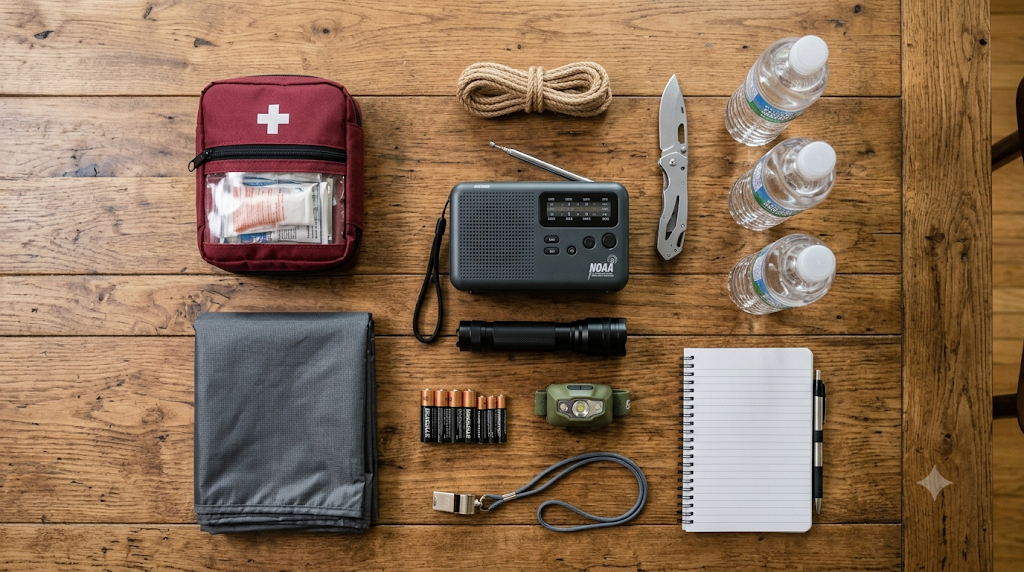
- Go-bag (evacuation-ready): A 72-hour backpack with water carriers and a filter, calorie-dense food, first aid and meds, document copies, cash, a change of clothes, rain shell, gloves, sturdy shoes, a NOAA-capable emergency radio, a power bank or solar panel, maps, and a whistle.
Label each bag by name, and keep go-bags near an exit. From there, schedule a 15-minute monthly check to swap expired items and test batteries: that single habit closes most of the gaps that show up during an actual event.
Quick price-check: kit essentials
- Emergency radios: Check price (US) • Check price (Canada)
- Water storage containers: Check price (US) • Check price (Canada)
- N95 masks: Check price (US) • Check price (Canada)
- First aid kits: Check price (US) • Check price (Canada)
Family Emergency Plan & Communication
Who calls whom when the towers are jammed? Decide on primary and backup methods in advance: text first, since it uses less bandwidth, then phone. Pick an out-of-area contact everyone can message with a status update, and agree on a simple code: “I’m OK, plus location, plus plan.” From there, set two meeting points, one near home and one outside the neighborhood, and assign roles so everyone knows who grabs the go-bags, who shuts off utilities, and who counts heads.
A dedicated NOAA-capable emergency radio matters more than most people expect here. NOAA Weather Radio alone runs more than 1,000 transmitters nationwide, reaching an estimated 95% of the U.S. population with continuous alerts: a resource that keeps working when apps and cell networks don’t. For a deeper look at backup communication and navigation tools, see Why Communication & Navigation Are Critical. Print the plan, keep copies in wallets and backpacks, and practice it once per quarter: drills are what turn nerves into muscle memory.
Evacuate or Shelter in Place?
Ask two questions: is the structure safe, and is the air safe? If both are yes, sheltering may be the better call. If either is no, evacuate early, since waiting doubles the risk and jams the roads for everyone else.
Set objective, non-emotional triggers ahead of time, for example: “if the wildfire crosses Highway 7, we leave,” or “if the river reaches 12 feet, we go to higher ground,” or “if the storm is Category 3+ and our home is in the surge zone, we evacuate to the inland relative.” Pack the car as soon as watches become warnings, and keep the gas tank at least half full at all times.
Scenario Playbooks
Each hazard rewards a slightly different response. The playbooks below cover the moves that matter most in the first few minutes of each one.
Earthquakes: Drop, Cover, Hold On
When shaking starts, drop to your hands and knees, cover your head and neck under a sturdy table or beside an interior wall, and hold on until the shaking stops. Afterward, expect aftershocks, and check for gas: if you smell it or hear hissing, shut the valve and ventilate. Avoid elevators until they’ve been inspected. (See USGS earthquake preparedness.)
Hurricanes & Tropical Storms: Wind, Rain, Surge
Cover windows with proper shutters, park vehicles on high ground, and stash important documents in waterproof sleeves. Charge power banks before the storm arrives. Once it hits, stay inside and away from windows: the eye’s calm can tempt you outside, but don’t venture out until officials confirm it’s safe. (See NOAA hurricane preparedness.)
Floods: Water Wins
Never drive through moving water. The National Weather Service’s “Turn Around, Don’t Drown” campaign puts hard numbers on why: just 12 inches of fast-moving water can carry away most cars, two feet can sweep away an SUV or truck, and as little as 6 inches can knock an adult off their feet. If rising water enters your home, move to higher floors, but avoid attics without roof access. After a flood, assume tap water is contaminated until it’s tested or boiled.
Wildfires: Time Is Your Friend, Use It Early
Create defensible space by clearing flammable debris and trimming branches away from structures, and keep N95 masks ready for smoke. If evacuation orders are anywhere close, leave early: smoke blinds, embers travel, and roads choke fast once everyone moves at once. Close interior doors to slow fire spread, and leave a light on so firefighters can see the house. (See NFPA Firewise USA.)
Tornadoes: Lowest, Most Central, Most Solid
When sirens sound, move to a basement or an interior room on the lowest floor, away from windows, and cover with mattresses or heavy blankets: even a bike helmet helps protect your head. Mobile homes and vehicles are not safe shelter, so pre-plan a sturdier nearby shelter if that applies to you.
Winter Storms: Heat Is a Resource, Trap It
Layer clothing and insulate windows with plastic film or blankets. Never run a generator indoors or in an attached garage: carbon monoxide is invisible and deadly. Warm drinks help maintain body heat; alcohol works against you. For a full seasonal playbook, see Cold Weather Survival.
Heatwaves: Cool Early, Pace Yourself
Hydrate before you feel thirsty, use fans with cross-ventilation, and seek a cooling center if indoor temperatures stay high overnight. Learn to recognize the difference: heat exhaustion looks like heavy sweating, dizziness, and cool clammy skin, while heat stroke is the medical emergency: body temperature above 103°F, hot and dry skin, confusion, or fainting. If you suspect heat stroke, treat it as urgent and seek emergency care immediately, since body temperature can climb to 106°F within 10–15 minutes.
Power, Water & Sanitation When Utilities Fail
Power: Start with conservation. Refrigerators stay cold longer if left unopened, and LED lights or headlamps stretch battery life. For longer outages, a battery power station paired with a solar panel keeps phones, radios, and small devices running. Keep generator fuel stored safely and stabilized, and always run generators outside with properly rated extension cords. For the specific case of a grid-down event caused by an electromagnetic pulse or major solar storm, see our EMP survival expert interview for a layered protection plan.
Mid-article upgrade: stronger outage power
If your area sees frequent blackouts, hurricanes, or long winter outages, a portable power station is the cleanest upgrade path for phones, radios, and lighting.
Check EcoFlow (US) • Check Jackery (US)
Water: Store what you can, and treat what you must. Combine methods: filter for particulates, then disinfect by boiling or with tablets, and keep unscented household bleach on hand with a labeled dosage card for clear versus cloudy water.
Sanitation: When toilets are out, the two-bag method in a lined bucket works well; add absorbent material like sawdust or kitty litter and tie it off securely. Hand hygiene matters just as much here, since it prevents the second disaster: disease.
Health & First Aid
Build a tiered first aid kit: trauma supplies (tourniquet, pressure bandage), wound care (gauze, antiseptics), medications (pain relievers, antihistamines), and personal prescriptions on a rotation schedule. Add extras for glasses, contact lens care, and chronic conditions, and learn bleeding control and CPR, since skills outlast any single piece of gear. (See Red Cross first aid training.)
Kids, Elders & Pets
Kids tend to calm down when they have a job: fetching headlamps, holding the family radio, or counting water bottles all work well. For elders, stage meds and mobility aids somewhere they can be grabbed fast. Pets need carriers, vaccination records, microchips, and extra food, so write pet-friendly shelters into the plan now rather than during an evacuation.
Home Hardening
A few small upgrades compound your safety over time:
- Seismic: Strap water heaters, secure tall furniture, and add cabinet latches.
- Storm: Install window protection, reinforce garage doors, and add a sump pump with battery backup.
- Wildfire: Ember-resistant vents, clear gutters, gravel borders near structures, metal mesh over vents, and firewood stored away from the house.
Also take photos of serial numbers and receipts, and save copies to the cloud plus a USB key in your go-bag.
Skills You Can Practice This Month
Pick four weekends, and give each one a drill:
- Shutoffs: Find and practice turning off gas, water, and electricity.
- Water day: Practice filtering and boiling (training only: don’t drink from a questionable source unless you’re certain it’s safe).
- Map & radio: Navigate to both meeting points without GPS, and program weather channels into your radio.
- Night drill: Kill the breakers and run your home on lights, batteries, and stoves for two hours. Take notes, then improve the setup.
After the Disaster
Once the hazard passes, the safety work starts. Check for injuries first, then structural damage, and document everything with photos and timestamps. Watch for scams, and verify the IDs of inspectors and contractors before letting anyone in. Lean on your network, too. Neighbors and mutual aid groups are force multipliers during recovery. Above all, treat recovery as a marathon: pace your energy, eat well, and rest.
Common Mistakes to Avoid
- Waiting too long to evacuate. Early exits are easier and safer than late ones.
- Ignoring water storage. Taps fail; your body doesn’t get a pass.
- Relying only on phones. Batteries die and towers overload, so a radio bridges the gap.
- Buying gear you never test. Rehearsal is what reveals the gaps.
- Forgetting mental health. Stress lingers, so build rest and connection into recovery, not just supplies.
You Don’t Have to Get It All Done Today
Reading a guide like this can feel like a to-do list that never ends, but that’s not the goal here. Pick one thing (store a few more gallons of water, program your radio, or write down your meeting point) and do that one thing this week. Preparedness isn’t a personality trait some people have and others don’t; it’s a series of small, ordinary decisions made ahead of time. Every household that feels “ready” today started exactly where you are right now, with one step instead of all of them at once.
A Word of Encouragement
Reading about hurricanes, floods, and wildfires in one place can feel overwhelming. Keep in mind that the underlying preparation overlaps almost entirely: water, light, communication, documents, and a plan for leaving. Prepare once and you’re substantially covered for most of it. You are not preparing for every disaster separately.FAQ
How much water should I store per person?
Aim for at least 1–2 gallons per person per day for a minimum of three days, and double that if it’s hot, you’re active, or you have infants, elders, or medical needs in the household.
What’s the best radio for emergencies?
Choose a NOAA-capable weather radio with multiple power options: hand crank, solar, and battery. Program the channels in advance and test reception inside your home before you need it.
Should I turn off my utilities after an earthquake or storm?
Turn off gas if you smell it, hear hissing, or suspect a leak. Shut off water if pipes have broken, and flip the electrical breaker if wiring is wet or visibly damaged. Practice finding the valves and breakers now, before an emergency forces you to search for them.
What goes in my go-bag?
Pack water and a filter, calorie-dense food, first aid and medications, a headlamp with batteries, a rain shell and warm layer, sturdy shoes, important documents, cash, an emergency radio, a power bank, maps, a whistle, hygiene items, and a small tool kit.
How often should I update my supplies?
Run a 15-minute monthly check: rotate food, test batteries, recharge power banks, update medications, and review the plan. Tying it to the first Saturday of every month makes it easier to stick with.
Should most people plan to evacuate or shelter in place?
Most events start as shelter-in-place situations. That said, evacuation is the right call for specific hazards (wildfire, rising floodwater, or an official evacuation order) so decide your personal triggers before you’re under pressure.
Next Step
Preparation is what turns a natural disaster from a surprise into a sequence you already know how to run. You’ve now mapped your local risks, built a layered kit, set clear evacuate-or-shelter triggers, and walked through the scenario-specific moves that matter most. From here, the fastest next step is to pick one gap from this guide (water, radio, or plan) and close it this week. If you haven’t built your baseline yet, start with Being Prepared for Emergencies and the 72-Hour Emergency Kit Gear Hub for a shopping-ready checklist.
Going deeper on hurricanes: if you live anywhere a tropical system can reach, the single highest-value thing you can do before the season peaks is learn your evacuation zone. Our hurricane evacuation guide walks through zones, storm surge, securing your home, documents, and a pet plan on a calm-day timeline.