72-Hour Emergency Checklist: The Complete Free Guide
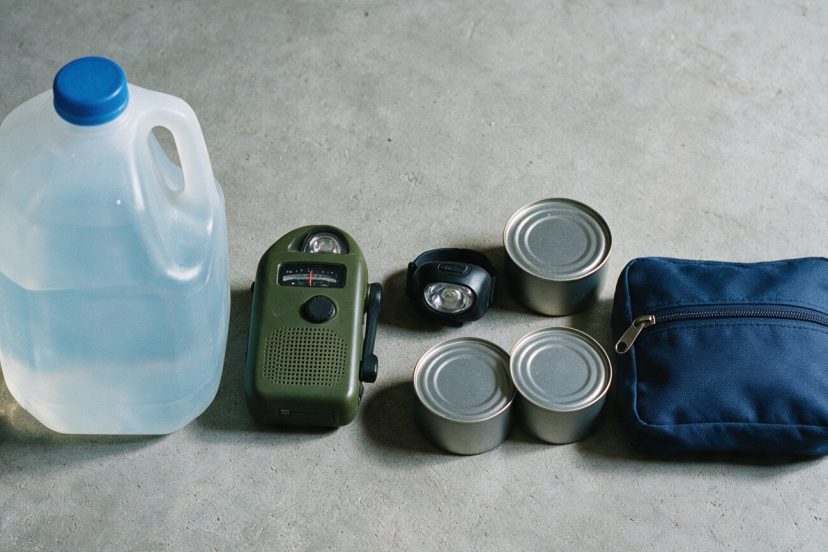
Quick answer: A basic 72-hour emergency checklist covers six categories: one gallon of water per person per day for three days, three days of no-cook food, light/power/communication, key documents in a waterproof bag, a first aid kit, and anything pets or medically-dependent family members need daily. Build it once, check it twice a year.
J.T. Wilder | Survival strategist, Survival Tactix | Last updated: August 31, 2026
Disclosure: This page contains affiliate links (Amazon and Survival Frog). As an Amazon Associate, we earn from qualifying purchases. This supports the site at no extra cost to you. This checklist is free to use, print, and share, and nothing on this page is gated behind an email signup.
On this page
- What should be in a 72-hour emergency kit?
- How much water does a 72-hour kit need?
- What food works best for a 72-hour supply?
- What do you need for light, power, and communication?
- What documents and money should you protect?
- What goes in the medical and hygiene section?
- What do pets need in a 72-hour kit?
- What extra items do infants, older adults, or medically-dependent family members need?
- How do you store and rotate a 72-hour kit?
- FAQ
What should be in a 72-hour emergency kit?
Most emergency management agencies use 72 hours, or three days, as the standard planning window: long enough to cover the gap between a disruption starting and help, power, or supplies becoming available again. A complete kit covers six categories: water, food, light/power/communication, documents, medical and hygiene, and anything specific to your household (pets, infants, older adults, or anyone with daily medical needs). The checklists below walk through each one.
How much water does a 72-hour kit need?
One gallon of water per person, per day, for at least three days: 3 gallons per person minimum. Increase this for hot climates, pregnancy, illness, and pets (figure roughly one liter per day for a medium dog).
- ☐ Sealed water, stored in food-grade containers: 3 gallons per household member minimum
- ☐ A backup water filter or purification tablets in case stored water runs out
- ☐ A note on your calendar to rotate stored water every 6–12 months
Our pick for water storage: Reliance Jumbo-TAINER 2.0, 7 gallons, which covers the three-day minimum for two people with a little to spare. Check price (US) · Check price (Canada)
What food works best for a 72-hour supply?
Pick food that needs no refrigeration and little or no cooking. The goal is calories and morale with minimal prep, not a full pantry.
- ☐ Three days of food per person that requires no refrigeration
- ☐ At least some items that need no heating or added water
- ☐ A manual can opener if any food is canned
- ☐ Comfort food for kids and anyone who needs steady blood sugar
For a longer-term supply beyond the initial 72 hours, see our full freeze-dried food guide.
Our pick if you would rather buy food in one box: ReadyWise Emergency Food Supply, a freeze-dried survival food kit. Check price (US) · Check price (Canada)
What do you need for light, power, and communication?
- ☐ A flashlight per household member, plus extra batteries
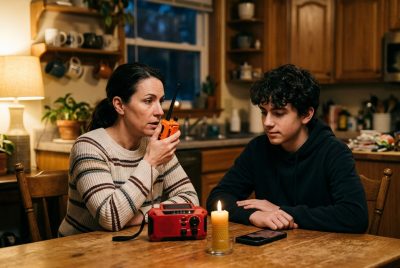
- ☐ A hand-crank or battery NOAA weather radio
- ☐ A charged portable power bank for phones
- ☐ A paper list of emergency contacts (phones die; paper doesn’t)
- ☐ A whistle for signaling
Our pick for hands-free light: Lepro rechargeable headlamp, 2-pack. Check price (US) · Check price (Canada)
Our pick for staying in touch when phones fail: Motorola Talkabout T802 two-way radios, 2-pack. Check price (US) · Check price (Canada)
What documents and money should you protect?
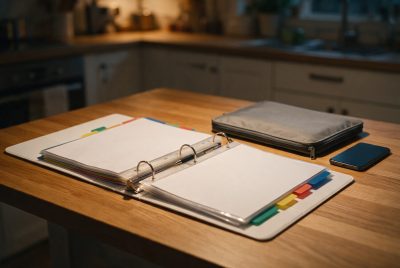
- ☐ Copies of ID, insurance policies, and medical records in a waterproof, fireproof bag
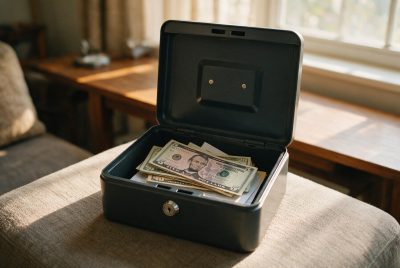
- ☐ A small amount of cash in small bills (card readers and ATMs need power)
- ☐ A local paper map (don’t rely on a phone alone for navigation)
Our pick for documents: Andyer fireproof and waterproof document bags, 15 by 11 inches. Check price (US) · Check price (Canada)
What goes in the medical and hygiene section?
- ☐ A basic first aid kit sized for your household
- ☐ A 7–10 day supply of any prescription medications, rotated as they near expiry
- ☐ Hand sanitizer, moist towelettes, and garbage bags for basic sanitation
- ☐ A dust mask per person
What do pets need in a 72-hour kit?
- ☐ Three days of pet food and roughly one liter of water per day per medium pet
- ☐ A leash, carrier, or crate for evacuation
- ☐ Copies of vaccination records and a recent photo (in case you’re separated)
- ☐ Any pet medication, clearly labeled
What extra items do infants, older adults, or medically-dependent family members need?
- ☐ Infants: formula, diapers, wipes, and a change of clothes for three days
- ☐ Older adults: mobility aids, hearing aid batteries, and a list of current medications and dosages
- ☐ Anyone dependent on powered medical equipment: a plan for backup power and a note in your kit with the equipment’s power draw
- ☐ A recent photo and written care instructions for anyone who can’t advocate for themselves in a crisis
Our pick for warmth: Primacare emergency Mylar thermal blankets, 10-pack. Check price (US) · Check price (Canada)
How do you store and rotate a 72-hour kit?
Keep the kit somewhere you can grab it in under a minute: a hall closet or mudroom, not a basement shelf behind other boxes. Put a recurring reminder on your calendar twice a year (many households use the spring and fall clock changes) to check expiry dates, replace batteries, and update documents.
Not sure how much your household needs? The free Household Readiness Plan works out water, days of supplies and power for your own home and picks your first three actions. It runs in your browser and needs no email address.
Want a print-ready version? This whole checklist is also available as a printable PDF, delivered free by email, handy for taping inside a closet door or packing with the kit itself. Get the printable PDF.
If you’d rather start from a ready-made kit
Everything above can be assembled piece by piece from what you already own. If you’d rather start with a few core items already built, here’s what we’d reach for first: the same picks referenced throughout our guides:
- Stackable water container (WaterBrick, 3.5 gallons): Check price (Survival Frog)
- NOAA weather radio (hand crank): Check price (US) · Check price (Canada)
- Portable power bank: Check price (US) · Check price (Canada)
- Personal water filter (backup to stored water): Check price (US) · Check price (Canada)
- Family first aid kit: Check price (US) · Check price (Canada)
For a fuller buying guide with more options at every price point, see our 72-hour emergency kit gear hub. For hurricane-specific prep, see our hurricane evacuation guide; for extended outages, see power outage preparedness and our general emergency-preparedness guide.
One more thing
Preparedness can feel heavy, especially when life is already full. You do not need to do everything today. Pick one small win: check your flashlights, set aside a little extra water, or write down your family’s meetup plan. Small steps compound fast, and future-you will be grateful you started.
Frequently asked questions
Why 72 hours specifically?
72 hours (three days) is the standard planning window many emergency management agencies use, because it’s roughly how long it can take for power, water systems, roads, or outside help to be restored or arrive after a local disruption. It’s a floor, not a ceiling. Building toward a longer supply is worthwhile once the 72-hour basics are covered.
How much does a basic 72-hour kit cost?
You can build a serviceable kit from items already in most homes: stored water, canned food, a flashlight, a paper contact list, for close to nothing. Buying everything new, including a weather radio, power bank, and first aid kit, typically runs somewhere in the low hundreds of dollars depending on household size and what you already own.
Where should I keep my 72-hour kit?
Somewhere you can reach it in under a minute without digging through other storage: a hall closet, mudroom, or a spot by the door you’d use to evacuate. Avoid a garage shelf or basement corner that’s hard to reach quickly or exposed to temperature swings.
Do I need a separate kit for my car?
Yes, if you spend meaningful time driving: a car kit covers a different scenario (being stranded away from home) and needs its own water, blankets, and basic tools. See our vehicle emergency kit guide for the car-specific list.
How often should I check and update the kit?
Twice a year is the standard cadence: check expiry dates on food, water, and medications, replace batteries, and confirm documents are current. Many households tie this to the spring and fall clock changes, since it’s an easy date to remember.
Sources
- Ready.gov, U.S. Department of Homeland Security: Build A Kit (basic disaster supply kit list; water storage guidance)
- CDC: Creating and Storing an Emergency Water Supply
- FEMA: Preparedness resources
You do not need a perfect emergency setup to become more prepared. Start with water, light, communication, and this simple 72-hour checklist. Once those are covered, you can build the rest of your system with more confidence.