Cold Weather Survival Guide: Stay Warm, Safe, and Prepared
Quick Answer: Cold weather survival comes down to five things: read the wind chill, not just the thermometer; dress in a layering system that manages sweat; build heat with shelter and fire when you need to; recognize hypothermia and frostbite early; and have a plan for your car and your home before a winter storm hits.
J.T. Wilder | Survival strategist, Survival Tactix | Last updated: July 1, 2026
Disclosure: This article may contain affiliate links to guides and products we recommend. If you buy through these links, Survival Tactix may earn a commission at no extra cost to you. We only recommend what fits the scenario.
You can’t negotiate with winter, but you can out-plan it. This guide covers the same core skills whether you’re commuting through a snowstorm, riding out a winter power outage at home, or actually out in the backcountry: reading real cold risk, dressing correctly, building heat, feeding your body, recognizing cold injuries early, and having a plan for your car and your household.
Jump to a Section
- How Cold Is Too Cold? Understanding Wind Chill and Real Risk
- What Is the Best Layering System for Cold Weather Survival?
- How Do You Protect Your Hands, Feet, and Face From Frostbite?
- How Do You Build Heat When Temperatures Drop? (Shelter and Fire)
- What Should You Eat and Drink to Stay Warm?
- How Do You Travel Safely in Snow and Low Visibility?
- How Do You Recognize and Treat Hypothermia and Frostbite?
- How Do You Stay Safe in a Car or at Home During a Winter Storm?
- Gear That Supports Your Cold Weather Plan
- What Does a 24-Hour Cold Weather Survival Plan Look Like?
- What Cold Weather Mistakes Should You Avoid?
- Cold Weather Survival FAQ
- The Bottom Line
How Cold Is Too Cold? Understanding Wind Chill and Real Risk
Cold is more than a number on a forecast. Wind strips heat fast, and moisture multiplies the loss. Wind chill tells you how cold it feels: what your skin actually experiences. At 0°F with a 15 mph wind, the wind chill is about −19°F, and exposed skin can suffer frostbite in roughly 30 minutes. Plan for that lower number, not the one on the thermometer.
- Treat “wind + wet” as its own hazard. A dry 10°F can be safer than a wet 30°F.
- Keep a printed wind chill chart in your car or bag: a dead phone battery shouldn’t be your only failure point.
What Is the Best Layering System for Cold Weather Survival?
Think of your clothing as a portable heat-management system: it needs to move sweat off your skin, trap warm air, and block wind and precipitation, while still letting you vent before you overheat.
Base Layers That Move Moisture
Choose merino wool or synthetic wicking fabrics. Cotton stays wet and steals heat once it’s damp, a real risk if you sweat while shoveling snow or walking to the car and then stand still in the cold.
Insulation That Still Works When It’s Wet
Fleece and modern synthetic insulation hold warmth even when damp. Down is excellent in dry, deep cold, but loses much of its insulating power once wet. Keep one warm layer in reserve (in a bag, in the car, or by the door) for the moment you stop moving.
Shells That Block Wind, Snow, and Rain
A windproof, water-resistant outer layer with underarm vents lets you dump heat while active and seal it in at rest. Softshells breathe better in cold, dry conditions; hard shells hold up better in sleet and wet snow.
How Do You Protect Your Hands, Feet, and Face From Frostbite?
Your body sends heat to your core first: fingers, toes, ears, and nose are the first to lose circulation. Carry a spare pair of gloves (one wet pair drying is a liability, not backup). Pair thin liner gloves with thicker mitts so you have both dexterity and warmth options.
Feet need the same layered thinking: a wicking sock, an insulating sock, and boots roomy enough not to restrict circulation. Tight boots make cold feet worse, not warmer. For your face in wind or blowing snow, a windproof balaclava or scarf and eye protection go a long way.
How Do You Build Heat When Temperatures Drop? (Shelter and Fire)
When temperatures fall, don’t “tough it out”. Actively build heat with barriers and, when appropriate, fire.
Quick Shelter Options: Bivy, Tarp, and Snow Shelters
If you’re caught outdoors, an emergency shelter and something to insulate you from the ground (even a foam pad) prevents the fast heat loss that comes from lying or sitting directly on cold ground or snow. With more time and the right snow conditions, a small snow shelter with a low, clear entrance and a ventilation hole can add real insulating value, but ventilation is non-negotiable: an unventilated snow shelter is a suffocation risk.
Building a Fire in Snow and Freezing Conditions
Snow saps heat from a fire bed fast, so elevate it on green logs, bark, or packed snow before lighting anything. Build kindling from small to large so the fire grows steadily. Carry backup ignition: a reliable fire starter, waterproof matches, and a lighter kept warm in an inner pocket, so one failure doesn’t end your fire attempt. Always follow local fire restrictions and never leave a fire unattended.
What Should You Eat and Drink to Stay Warm?
Cold weather blunts appetite and thirst at the same time your body is burning more calories to stay warm. Eat consistently: a real breakfast, steady snacking, and warm fluids when you can manage them. If you’re melting snow for water, bring it to a full boil or purify it properly before drinking. An insulated bottle stored upside down in a pack keeps ice (which forms at the surface) away from the opening, so you can still get to liquid water.
How Do You Travel Safely in Snow and Low Visibility?
Snow hides hazards and changes footing fast. Shorten your stride, test uncertain ground before committing your weight, and slow down, for walking and for driving. In low visibility, rely on landmarks, distance/time estimates, and a map or compass rather than a phone alone; batteries fail faster in the cold, and signal isn’t guaranteed. Practice basic navigation before you need it under pressure.
How Do You Recognize and Treat Hypothermia and Frostbite?
Hypothermia begins when core body temperature drops below 95°F (35°C). Shivering is the early warning sign; confusion, slurred speech, and poor coordination signal it’s getting serious. If someone’s temperature is confirmed below 95°F, or they show confusion or shivering that won’t stop, treat it as a medical emergency: get them somewhere warm and dry, remove wet clothing, insulate them from the ground, and seek medical care.
Frostbite targets exposed or poorly insulated skin: fingers, toes, nose, ears. Numbness and color change (pale to gray-white) replace pain as warning signs. Rewarm only once you’re sure the area won’t refreeze: use warm (not hot) water for about 30 minutes, avoid rubbing the area, and remove rings or tight items before swelling starts. Never use dry heat sources like a heating pad, stove, or fireplace directly on frostbitten skin. The area is numb and burns easily. Seek medical care for anything beyond mild, superficial frostbite.
This is general safety education, not medical advice. For a suspected cold-weather medical emergency, contact emergency services or a qualified medical professional.
How Do You Stay Safe in a Car or at Home During a Winter Storm?
If You’re Stranded in a Vehicle
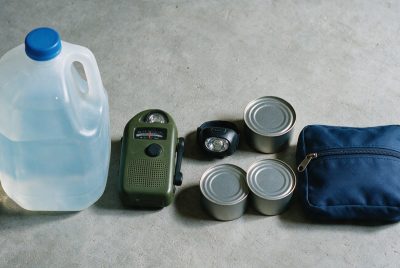
Stay with your vehicle: it’s shelter and it’s easier for rescuers to find than a person on foot. Run the engine for heat in short intervals (roughly 10 minutes an hour), and check first that snow isn’t blocking the tailpipe, which can let carbon monoxide build up inside the car. Crack a window slightly for ventilation, use hazard lights sparingly to preserve battery, and keep a bright cloth or marker visible from outside once snowfall lets up. Keep a car kit with blankets, water, snacks, a flashlight, and a phone charger. This matters even more if you’re regularly driving with kids, elderly family members, or pets.
If You Lose Power at Home
The backcountry logic applies indoors too: slow heat loss, and create a smaller warm space. Close off one room, hang blankets over doorways to interior spaces you’re not using, and layer up before you feel cold rather than after. Never run a generator, gas grill, or camp stove indoors or in an attached garage: carbon monoxide risk is real and fast-acting; a battery-backed CO detector is worth having regardless. If you rely on a backup power source for medical equipment, phones, or a space heater, know its runtime before the storm arrives, not during it. Check on elderly neighbors or family members during extended outages: cold homes are a real risk for older adults especially.
Gear That Supports Your Cold Weather Plan
You don’t need to buy your way into cold weather readiness, but a few reliable items make a real difference:
- Backup power and heat during an outage: see our Best Solar Generators for Survival guide for options at different budgets and runtimes.
- Dependable fire-starting: see our Best Fire Starters for Survival guide for wet-weather and beginner-friendly picks.
- A full emergency kit that covers cold-weather basics: see Key Survival Products.
- Hand warmers and emergency blankets: see Survival Frog cold-weather gear for extra warmth and shelter add-ons.
What Does a 24-Hour Cold Weather Survival Plan Look Like?
- Hour 0–1: Check wind, moisture, and daylight. Adjust layers to your activity level. Set a turn-around or check-in time.
- Hour 1–3: Move steadily, snack regularly, sip warm fluids if you can. If conditions worsen, shift to shelter mode early rather than late.
- Hour 3–5: Set up shelter if you’re staying put. Gather dry fuel while you still have daylight.
- Hour 5–8: Get a fire or heat source going if safe to do so, eat a warm meal, and swap out any damp layers.
- Overnight: Ventilate any enclosed shelter, avoid sweating inside your sleep layers, and check the weather if you have a radio or signal.
- Morning: Warm drink, real breakfast, dry socks, and reassess your route or your plan for the day.
What Cold Weather Mistakes Should You Avoid?
- Sweating into the cold. Vent early; wet layers erase your insulation.
- Ignoring wind. A moderate breeze turns “chilly” into genuinely dangerous. Plan around wind chill, not just temperature.
- No spare gloves or socks. One soaked pair can be the start of frostbite.
- Boots that are too tight. Circulation is heat. Give your feet room.
- Guessing at first aid. Rewarm frostbite properly; don’t rub it or apply dry heat.
A Word of Encouragement: Preparedness can feel heavy, especially when life is already full. You don’t need to master everything in this guide today. Pick one small step: pack a basic kit for the car, check that your flashlights and radio have working batteries, or set aside an extra blanket for each person in your household. Small steps compound, and future you will be glad you started before the first hard freeze. If you’re a person of faith, take a moment to ask for wisdom and calm as you get your household ready.
Cold Weather Survival FAQ
What’s the single best way to prevent hypothermia?
Stay ahead of the cold: vent while you’re active, add insulation before you stop moving, keep your base layer dry, and eat and drink consistently. Hypothermia starts when core temperature drops below 95°F (35°C), so prevention is mostly about managing moisture, wind, and energy.
Is down or synthetic insulation better for deep winter?
Both work well. Down offers the best warmth-for-weight if you can keep it dry. Synthetic insulation holds more warmth when damp and dries faster, which is why many people carry a synthetic layer for active use and save down for camp or indoor use.
How do I start a fire on snow?
Build a platform of logs, bark, or packed snow before lighting anything, start with fine kindling, and shield your flame from wind. Carry more than one ignition method so a single failure doesn’t end your attempt.
When should I rewarm frostbitten skin?
Only once you’re sure the area won’t refreeze. Use warm, not hot, water for about 30 minutes, avoid rubbing the area, and remove rings or tight jewelry before swelling starts. Seek medical care for anything beyond mild frostbite.
Is it safe to run my car for heat if I’m stuck in a winter storm?
Yes, in short intervals, but check that snow isn’t blocking the tailpipe first, and crack a window slightly. Carbon monoxide can build up quickly in a snow-buried vehicle with the engine running.
What’s the most overlooked cold weather item?
A closed-cell foam pad or similar ground barrier. Ground contact pulls heat away fast: even a good sleeping bag or blanket underperforms if you’re lying directly on cold ground, snow, or a cold car floor.
The Bottom Line
Cold weather exposes every gap in your preparedness, but the fixes are straightforward: read the real conditions (wind chill, not just temperature), run a layering system that manages moisture, build heat deliberately with shelter and fire, fuel your body, travel carefully, and know how to recognize and respond to hypothermia and frostbite. Start with one piece (a car kit, a backup power plan, or just better gloves) and build from there. Once the basics are covered, winter stops being something you’re bracing for and becomes something you’re ready for.
Preparedness information here is for general education. Follow local laws, manufacturer instructions, and CDC/NWS guidance for your area. For medical emergencies, contact a qualified medical professional or emergency services.
Sources referenced: NWS Wind Chill Chart · CDC Winter Weather Safety · CDC Frostbite & Hypothermia Signs · Ready.gov Winter Weather